Have you ever wondered why certain things go together, and others do not? Milk and cookies- classic combination. Popcorn and Coke at the movie theater- perfect. But would you pair soda with cookies, or milk with popcorn? While there are “no rules” when it comes to food/beverage pairings, sometimes certain pairings are just fantastic, and others fall flat.


In the context of wine, there are certain foods that demand a proper wine pairing. For example, while you can technically pair a light-bodied red or fuller-bodied white wine with a fatty, juicy Ribeye steak, the choice is usually obvious – big, bold, full-bodied reds like Cabernet Sauvignon, Merlot, or Zinfandel. Contrarily, a plate of oysters would leave your mouth tasting like aluminum foil after pairing it with a luscious red. Sparkling white and Muscadet are a lot more appropriate.
One dish that has always spoken to me as quite versatile is the classic steak tartare. I used to go on the principle that if we’re talking steak, we always stick to full-bodied reds. But then I learned you don’t have to go for a Bordeaux Blend or mouth-coating Super Tuscan as a primary choice every time. While certain flavorful cuts like a NY Strip call for the higher alcohol, acidity, and tannins to cut through the fat, leaner cuts like Filet Mignon can easily be paired with light to medium reds such as Pinot Noir. Even a buttery Napa Valley Chardonnay is a healthy alternative to certain reds as it has a distinct, strong full body that complements the meat accordingly.
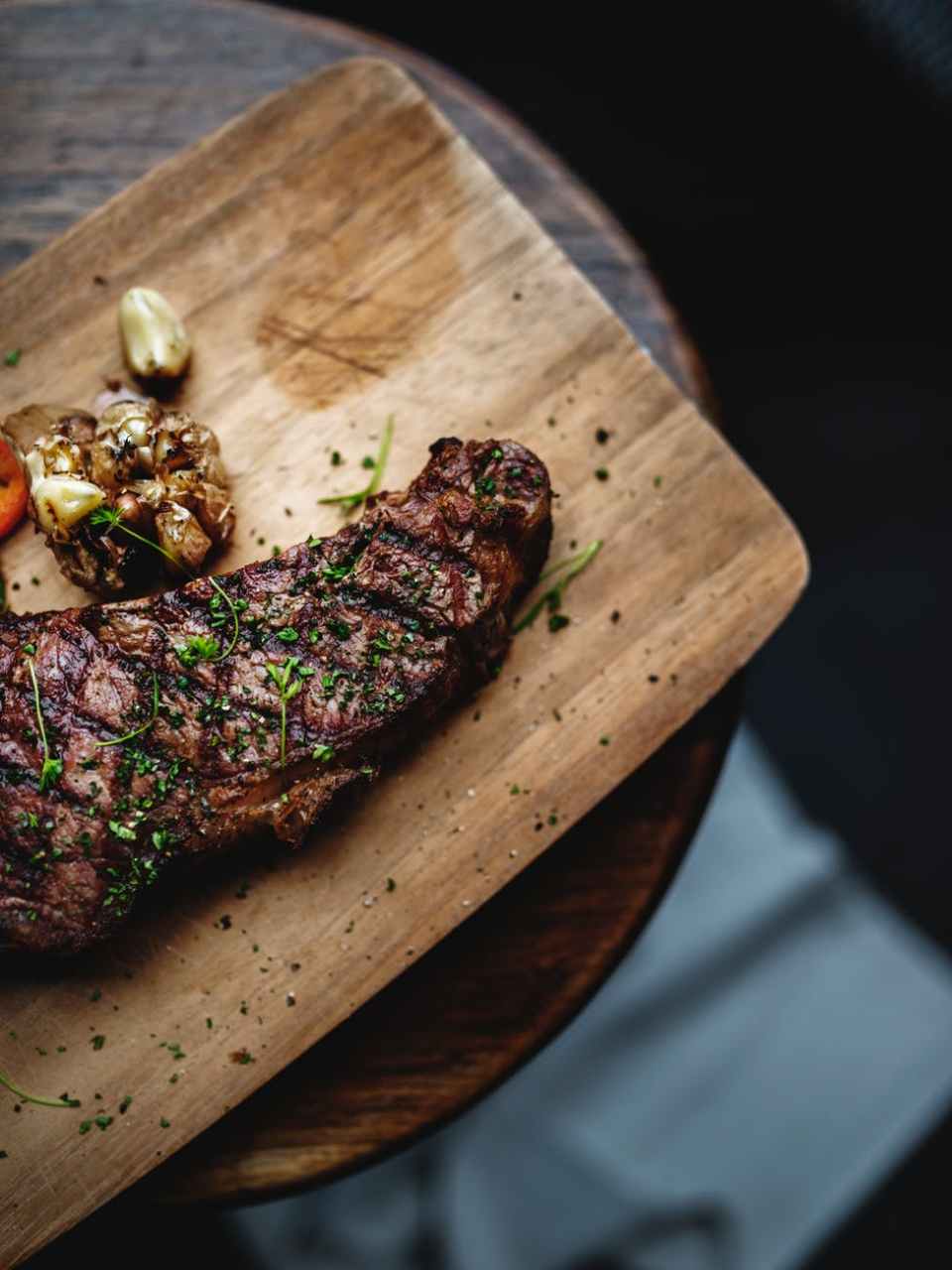
Photo by rawpixel.com on Pexels.com
But then there’s steak tartare which essentially is RAW- not rare, but RAW filet mignon. There are variations on this dish but usually it includes parsley, capers, seasonings, and a raw egg that are all mixed together to create a very savory dish. Some might call it an appetizer, I personally think it can be a meal all on its own. Because it is mainly comprised of red meat full-bodied red wine might automatically pop out as the obvious choice. Interestingly enough, because of its uncooked flavor profile, and at times extra ‘umami’ flavor, it takes on a unique flavor profile that can only be described as “plays well with others”.
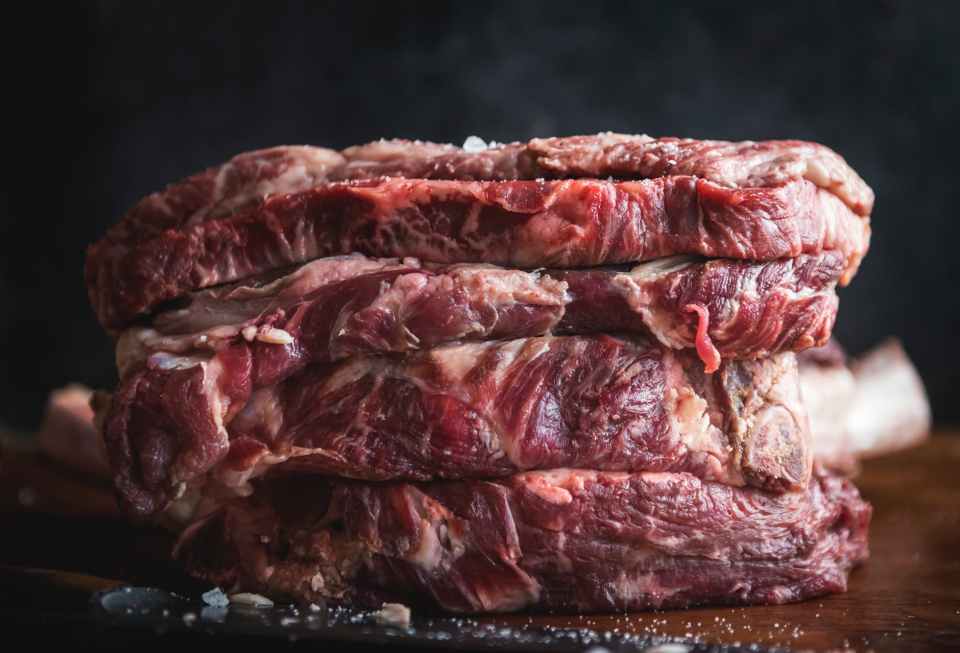
Photo by rawpixel.com on Pexels.com
Here are all of the wines that will pair beautifully with Steak Tartare:
Light Red Wines: Beaujolais, Gamay, Pinot Noir from Burgundy… Because tartare doesn’t have the same texture or grilled surface as a cooked steak, it doesn’t need to rely on grippy tannins that you’d find in a fuller-bodied red. These lighter wines are easy to drink, offer a nice balance of earthiness and fruit in flavor, and are often refreshing and thirst-quenching due to the right level of acidity.
Sparkling White Wine: Champagne, Cava, even a dryer Prosecco all add a bit of competing zest to steak tartare. Just remember- Champagne goes with EVERYTHING… except wedding cake.

Photo by Heather Smith on Pexels.com
Lambrusco: Many food and wine critics would fight me on this and say Sparkling Rose is the superior choice. To that I say “uh uh.” This sparkling red wine is a clear choice in terms of offering acidity, flavor, earthiness, and fruitiness to a dish such as steak tartare.
Full-Bodied Red Wines: Again, a lot of critics would say I’m out of my mind here. As mentioned before, raw, uncooked steak doesn’t have the same texture or surface which normally relies upon a wine high in tannins. While I wouldn’t necessarily eat raw ahi tuna or salmon with a Napa Cab, I don’t see any reason why the savory, umami-like characteristics of steak tartare can’t pair well with the complexities of a full-bodied red wine. For me, it doesn’t get better than a nice Bordeaux Blend from Medoc or Pauillac with a Wagyu Steak Tartare, but that’s just me.
Other wines to consider: Oaked Napa Valley Chardonnay, Riesling (Kabinett) Sparkling Rose
 The Chosen Vine