Food Pairings: The Art of Buying Steak
If you need a last minute steak, you can always run to your local grocery store, but unless it’s a Whole Foods, most cuts of steak to me aren’t worth the trip. Hopefully if you have a good bottle of wine, and even better company, you won’t skimp on a good cut of meat.
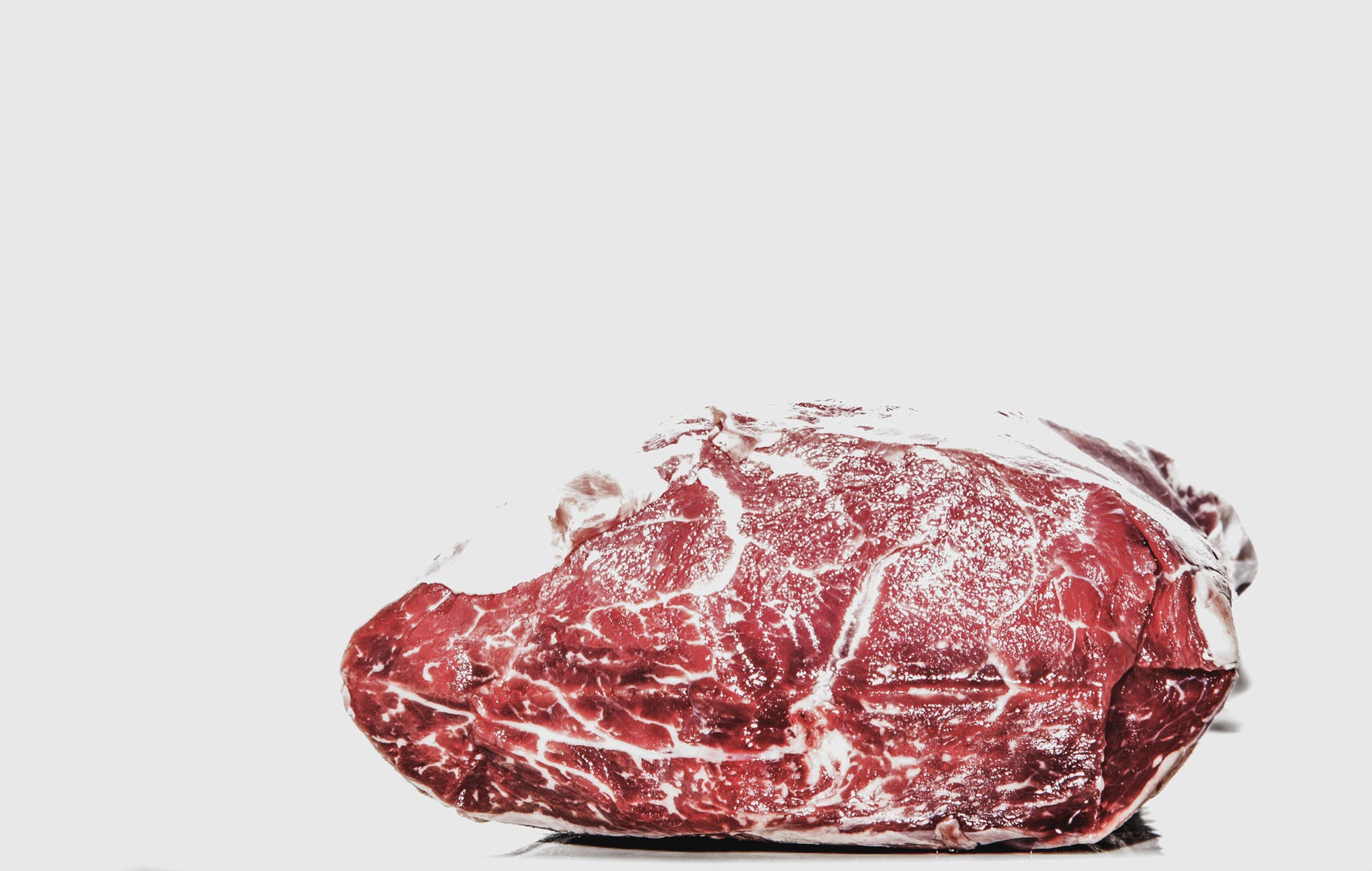
I always suggest Googling ‘butchers near me’ to scope out which butchers are a) close to home, and b) worth the price. You want to find somewhere you know you can always find a good steak, no matter what time frame you are working with. Develop a relationship with these people as they will be able to tell you the best and worst deals they have at the time. I lucked out with the butcher close to me since they ALWAYS seem to have Wagyu cuts.
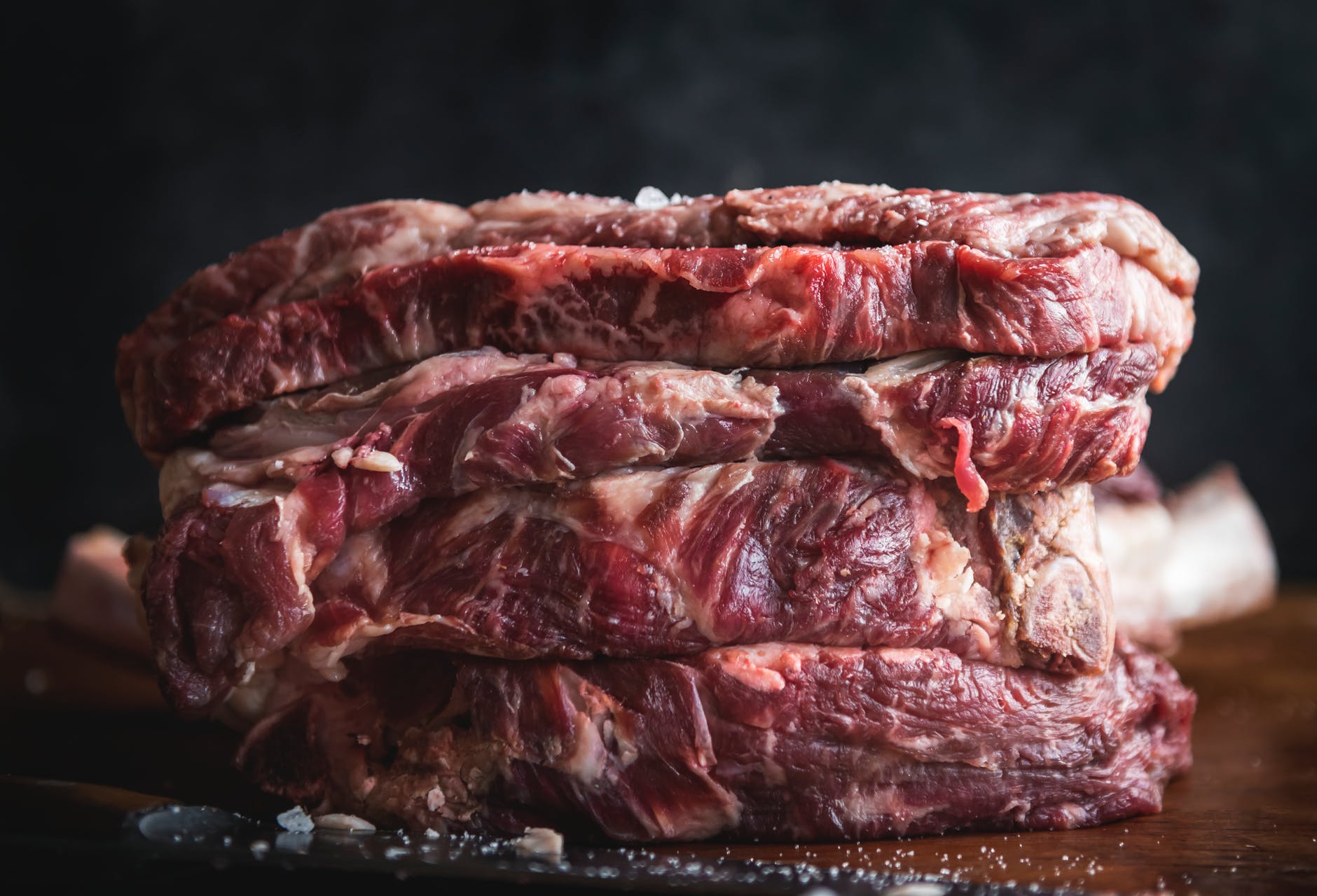
However, if you live near or in the city, the best, and I mean BEST steak you can buy, granted you don’t mind dishing out the $$$$ for it, is Japan Premium Beef. Located in Manhattan’s NoHo neighborhood, you cannot miss this spot, as its exterior is covered in colorful graffiti. They are perhaps best known for Wagyu and Washugyu (Domestic Wagyu). Back in 2016 I decided to purchase a couple of Washugyu filets and was blown away. Each bite literally melted in your mouth. I believe they now have another location in Brooklyn. Definitely check them out for that special occasion dinner: http://japanpremiumbeef.com
Wine Profile: 2015 Leoville Barton
While I would typically hold such a bottle for 5, 10, 15 years down the road, the 2015 Leoville Barton was just begging to be opened for a very particular reason.
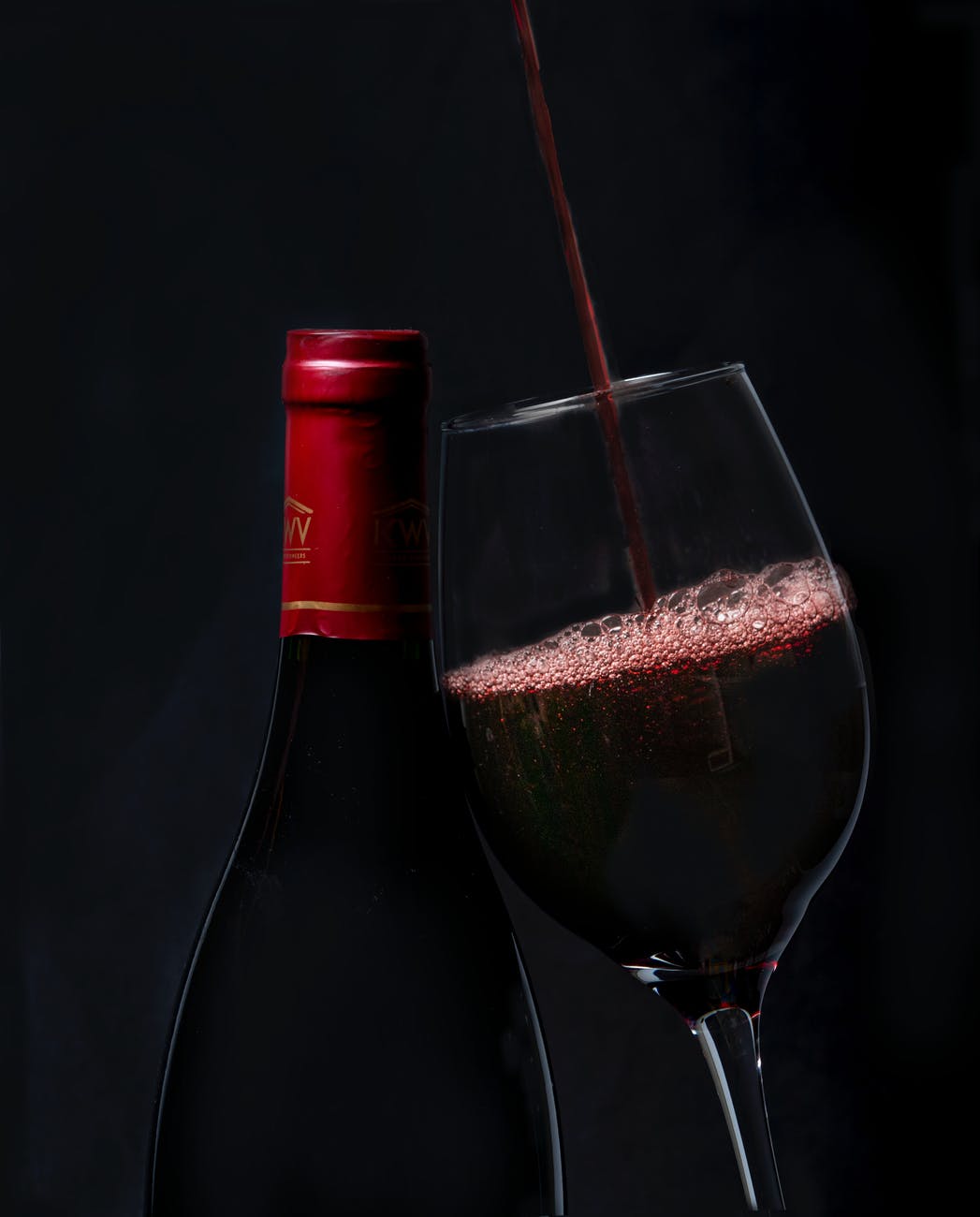
I have been making space for younger domestic wines in my collection and thus have gone through a few older bottles of Bordeaux. My sister’s wedding weekend was coming up, and I wanted to bring something special and unique. I took a gamble on opening up the 2015 LB, and the result ended up paying out dividends. For such a young wine, it was so mature.
What normally would taste like intense, jammy black fruit ended up feeling more like smooth tannins and cedar notes with a touch of vanilla. It’s as if Saint Julien (along with a lot of areas in Bordeaux) are producing wine to be consumed sooner rather than later. Even 2-3 years ago, I’d never dare open up a $100 bottle that was just released, fearing that it has reached absolutely ZERO potential. However, the 2015 Leoville Barton is an example of Bordeaux producing fine wine for what I call the impatient collector.
Perhaps this vintage will continue to age gracefully, or perhaps it wasn’t meant to taste so balanced now, and will fall flat years from now. Whatever the case may be, I’d grab at least two bottles- one to try now, and one to try down the road.
Building a Wine Collection
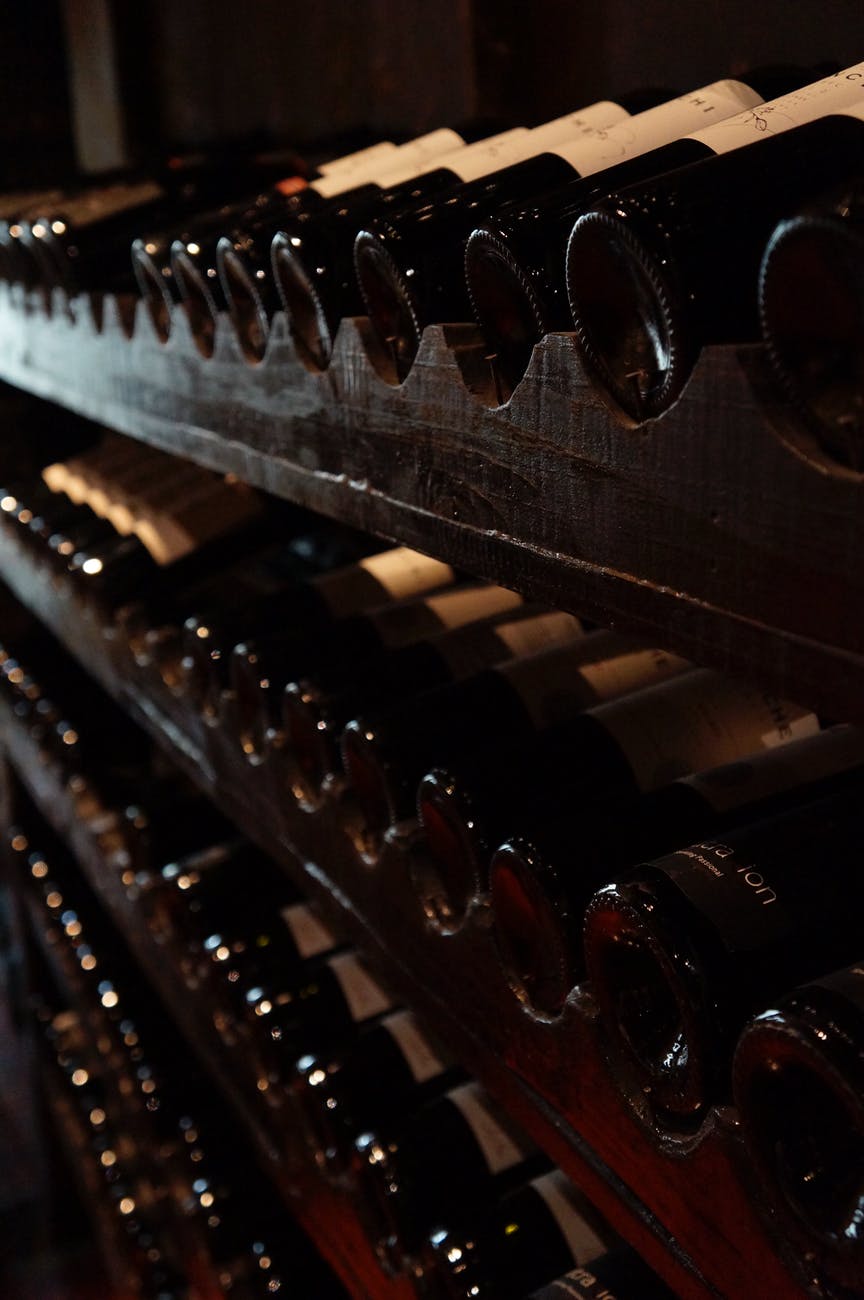
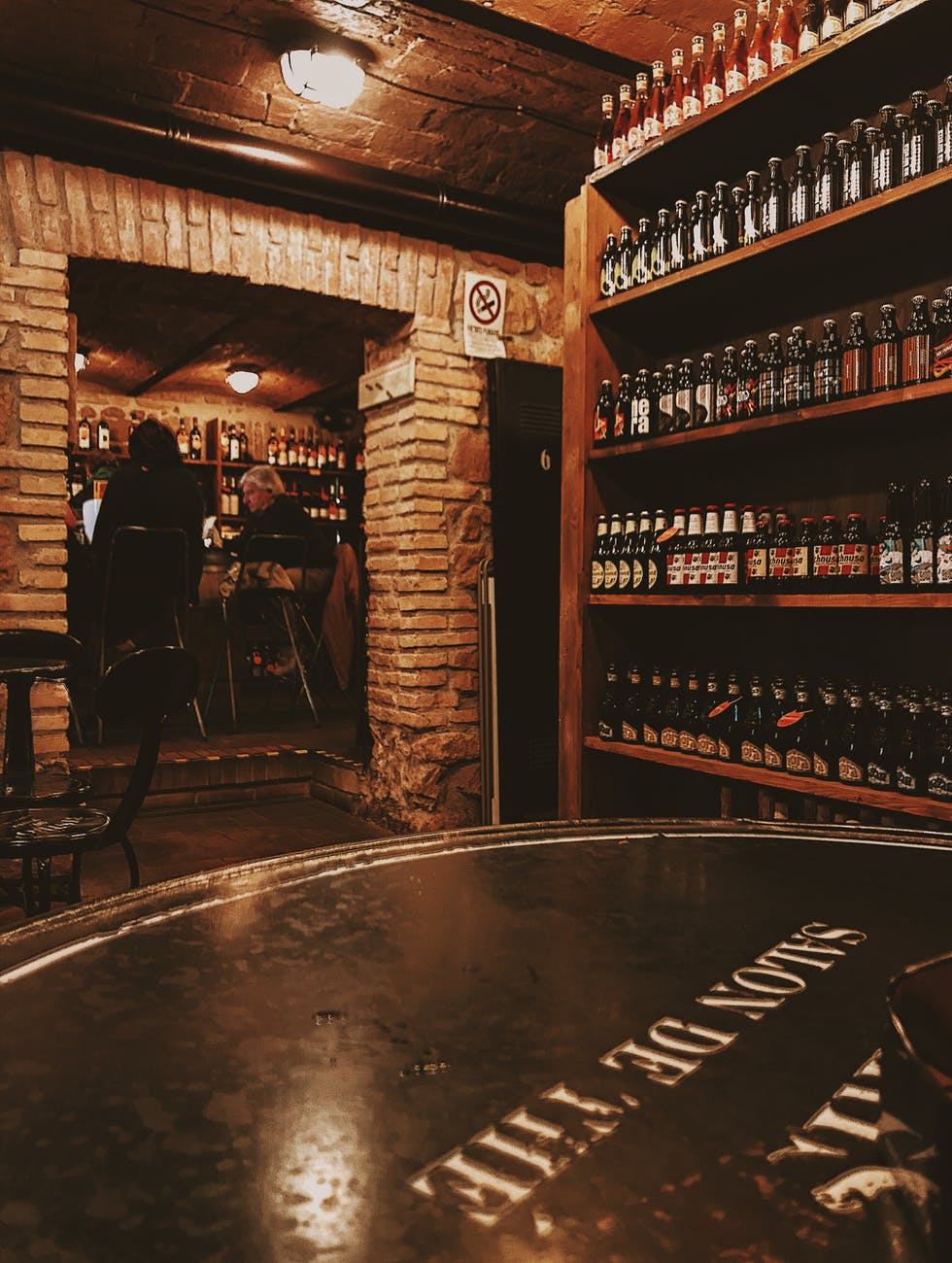

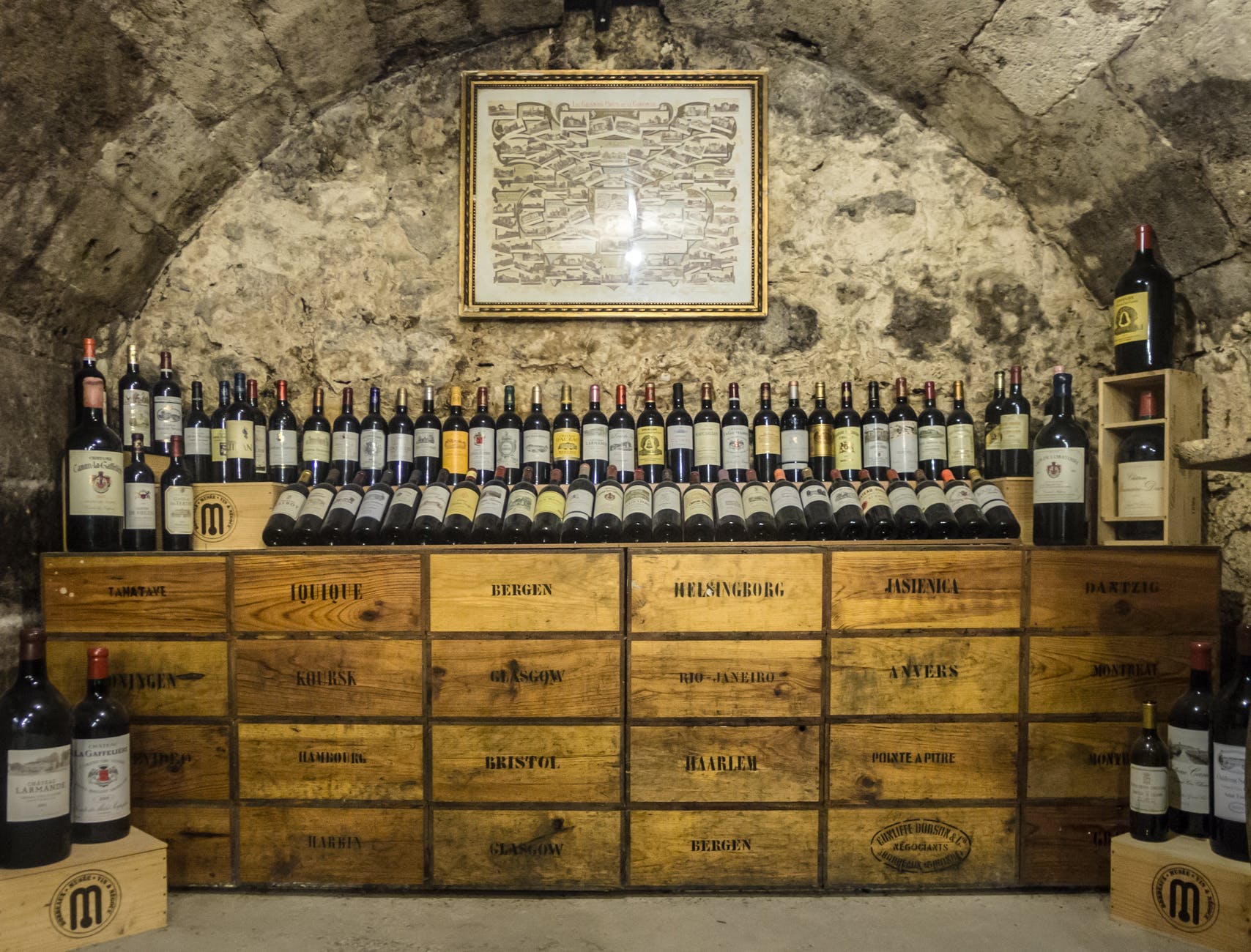
One of the most interesting topics about wine that I engage with people on is the subject of collection, or acquisition. Usually after the average wine drinker finds a wine they are hooked on, he/she either wants to grab a case or two of it, or find more and more varietals just like it. A wine collection is always good to start or build on, even if it’s just to have that spare bottle to give as a last minute gift to a party.
Whether you are trying to merely stock up on wine to have available at a moment’s notice, or if you just bought a home and want to show off a newly built wine cellar, here are a few tips for getting started on your grand collection.
- Stroll through a giant wine retail store: Depending on where you live, huge chain stores like Total Wine, Bottle King, or BevMo are perfect for learning about what works and doesn’t work for your wine collection. Although the “wine experts” these chains hire are hit or miss, don’t be afraid to use them for all the knowledge they have. Ask questions, find out what types of wine you would like most at X, Y, and Z price points. If it’s your first time, buy a mixed case (usually a discount is offered) and see which wines are worth keeping or worth not coming back for. In the beginning, it’s all about learning and process of elimination.
- Find your space: Maybe you live in a shoe box apartment in Manhattan, or maybe you have a big house with plenty of space to build a custom wine cellar. Usually there’s a middle ground here where most people will invest in a decent wine fridge to hold their newly acquired bottles of wine. The most important thing to know is that no matter where you live, all you need is a dark place (like a closet) where no direct sunlight comes in where the temperature is constant and room temperature at its warmest. It’s hilarious how many people I know buy expensive bottles of wine and get at least one of these things wrong. Why would you buy a $600 bottle of Mouton just to see it cook in the sun? If you invest in a wine fridge, keep it at 55* Fahrenheit – it is the ideal temperature for red wine storage.
- Never do it for the $$$$: So many people START a collection by doing it for the purpose of making money. If you’re interested in learning about wine, and having wine on hand for hosting parties, or just to hold wine for that special occasion, NEVER do it for the investment. It’ll drive you crazy. Also, in the beginning, never count your stock. Just enjoy finding out what works and doesn’t work for your palette, then build your inventory from there. After all, wine should be fun. Enjoy!
Music Pairings
This is a topic I’ve been looking to talk about for a while. Our brains are wired to use our five senses simultaneously. In fact, when we consume wine we are actively using at least three to four of them at once. Smelling the wine, feeling how the tannins interact with our gums and mouth, seeing how deep and opaque the color is in the glass, and of course tasting the wine itself.

Have you ever been in a crowded restaurant with people talking where it didn’t matter what tasting notes there were- you just wanted to drink the damn glass? Have you ever been in complete silence where every little detail in the wine seemed to scream out of the bottle? This brings me to the subject of music. What we listen to, whether it be something played loud and purposefully, or just in the background for atmosphere, can greatly affect what we want to drink. Here are a few pairings to consider the next time you are in that musical frame of mind:


- Full-Bodied Red Wine and Classical Music: Okay, so not a lot of bars or places have classical music, but next time you want to open up a big, bold bottle of red, whether it be a Bordeaux Blend or Cabernet Sauvignon, put on a little classical music, sink into your sofa, and let the combination burn into your brain.
- Beer and Jam Band Music: I’m specifically thinking of a cold Pilsner or IPA with a joint listening to Dave Matthews Band. Whether you enjoy wearing Birkenstocks or just want to experiment with the combo, beer is chill, it’s something you can occasionally sip at and enjoy, without having too hard of a buzz too early. Enjoy the hops and tunes.
- Whiskey and Jazz: This was a toss-up because I was inclined to say martinis pair best with jazz, especially live. However, I think whiskey will always win. Whether it’s bourbon or rye straight, or an old-fashioned, whiskey is just a great go-to to accompany the many nuances and genres of jazz.
What’s Your Corkage Fee?
Sleek decor. Classy music. Attentive service. Award-worthy cuisine. It’s very easy to say screw it and order an expensive bottle off a wine list when you’re in an upscale restaurant. The establishment preys off of the customer’s sentiment. That’s why they don’t mind paying two, three, or even four times the amount the bottle would go for in retail stores. Customers think they’re trapped into spending bundles on an average bottle of wine if the place isn’t BYOB when in fact most, if not all restaurants have a corkage fee.
Recently I went to a steakhouse and spent a good twenty to thirty minutes scanning the wine list. A decent bottle of Cabernet that normally goes for $50 went for a whopping $130, a cheap Malbec that could be bought for under $20 went for $70, and a higher-end bottle that would go for $300 was inflated to nearly a grand. You get the point. When I asked if there was a corkage fee, I was informed yes, and that most restaurants do allow customers to bring in outside bottles- they just don’t think to ask.
“What’s the corkage fee?”
“Twenty five dollars.”
So essentially I can go to a store and buy that $50 Cabernet, pay the extra $25 and still be paying for just about half the amount I’d pay for it off of the wine list.
Bottom line is that while there are some restaurants that are so upscale and exclusive that they would never allow a party to bring in an outside bottle, a lot of restaurants do allow it. While bringing in a cheap bottle with a corkage fee of fifty bucks is insane, you may want to consider dusting off that old bottle the next time you decide to celebrate an occasion at a higher-end spot.
Wine and Weather



Managing a wine boutique,the prediction of how people purchase wine as it correlates the current season is easy. Heavy Cabernet and Malbec consumption is predominant in the fall, winter, and early spring months. Late spring and summer call for Prosecco and Rose. But how often do you think about how current weather conditions reflect which wine you are consciously, or subconsciously pouring? Hmmmm…..
- Hot and Sunny- White Burgundy: This wine is crisp and isn’t filled with too much flavor. You want the heat and smell of fresh cut grass to speak for itself. No need to try and assess the wine or have anything heavy to conflict with such a great day outside. White Burgundy is light and can have just the right touch of mint. Will pair excellent with seafood and chicken on the grill accompanied by leafy greens.
- Rainy, Snowy, or Overcast- Cabernet Sauvignon: When you can’t enjoy the weather outside and feel a bit confined indoors this is the perfect time to concentrate on a bold, heavy, nuanced wine. Take your time with a full-bodied cab. It is hearty and will put you in good spirits. Consider making meatloaf or lamb as comfort food to pair.
- Cool and Dry- Pinot Noir: Particularly from an areas like Willamette Valley and Burgundy, Pinot is superb. Whether it’s in the fall, and you can smell the leaves turning, or fresh fire burning, or it’s in the spring and you know you’re getting past winter, but it’s still not beach season, Pinot Noir is a compromise- not too heavy, but still can have complexity to the nose that allows you to sit back, relax, and enjoy something easy to drink. I always like the idea drinking Pinot Noir by itself or with a cheese/charcuterie board. Also goes fantastic with steak tartare.
Wine and Salad
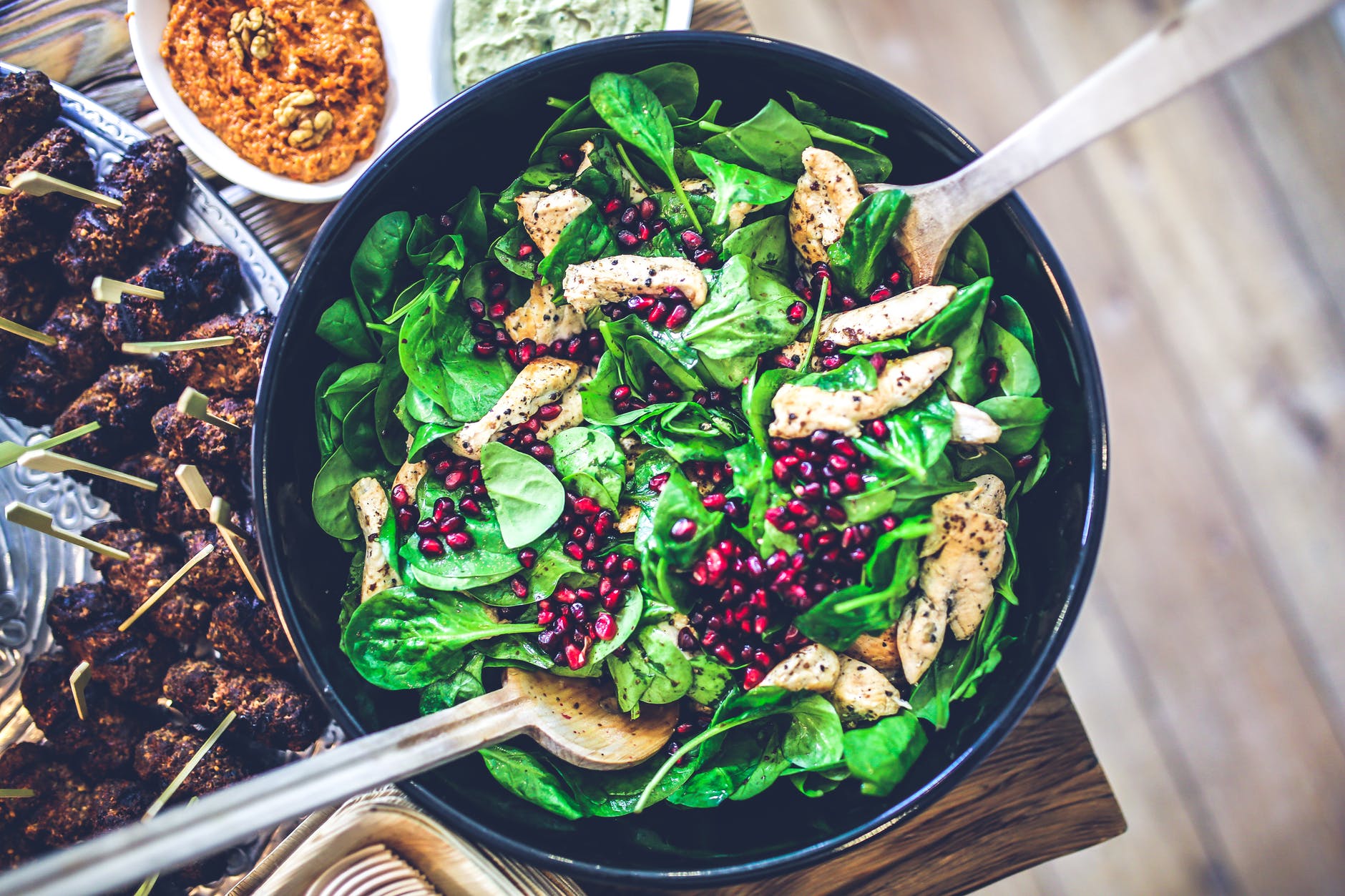
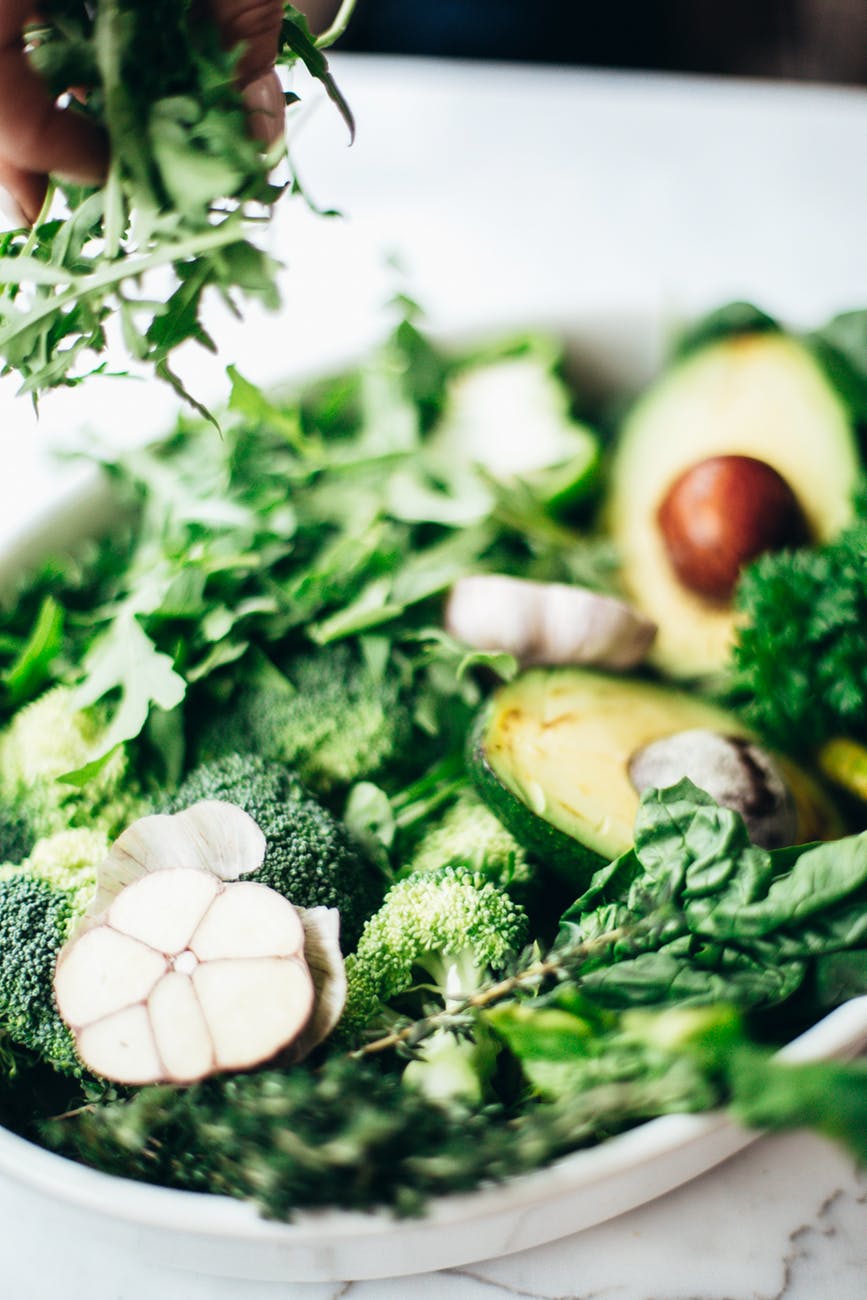
Salad is as broad and general of a term as wine is. I have discussed this food as it relates to pairing with wine, and I laugh every time. I consider salad more of a vehicle or carrier of other foods that would match its alcoholic counterpart. Most who were questioned about what goes with salad best would say white wine. However, can’t a bold cab go with a rare skirt steak salad? What about rose wine with a spinach and salmon medley? Here are my top picks the next time you’re debating over that menu:
- Steak House Salad and Merlot: This will always be a go-to for me. When I traditionally think of steak and wine pairings, I always shoot for a bold left bank Bordeaux blend or a Cabernet. However, because we are talking about a steak house salad, most likely the cut of meat will be a bit leaner vs. fatty. Think filet mignon or skirt steak opposed to a New York strip or Ribeye. In this case, Merlot will still cut through the steak’s savory quality well, but will remain a bit softer in flavor profile.
- Lobster OR Fried Chicken Cobb Salad and Champagne: When lobster or fried chicken is put in front of you, always make champ your first pick. The effervescence, crisp acidity, and light body do wonders for the meat, as well as the roughage that accompanies it. Winner every time.
- Iceberg Lettuce Salad and Sauternes: The lettuce, onions, tomatoes, and bacon are the easy components, but the blue cheese really presents the challenge here as it provides a really dominant taste. Traditionally, blue cheese has an odorous, pungent quality that calls for something to contrast it. Sauternes is a French sweet wine primarily made from Semillon and Sauvignon blanc grapes. The grapes are affected by a noble rot called Botrytis which gives the wine its sweetness. Other sweet wines to consider if Sauternes isn’t on the menu is a good Ruby Port, Moscato d’Asti, or a Spatlese Riesling.
Wine & Weed Pairings

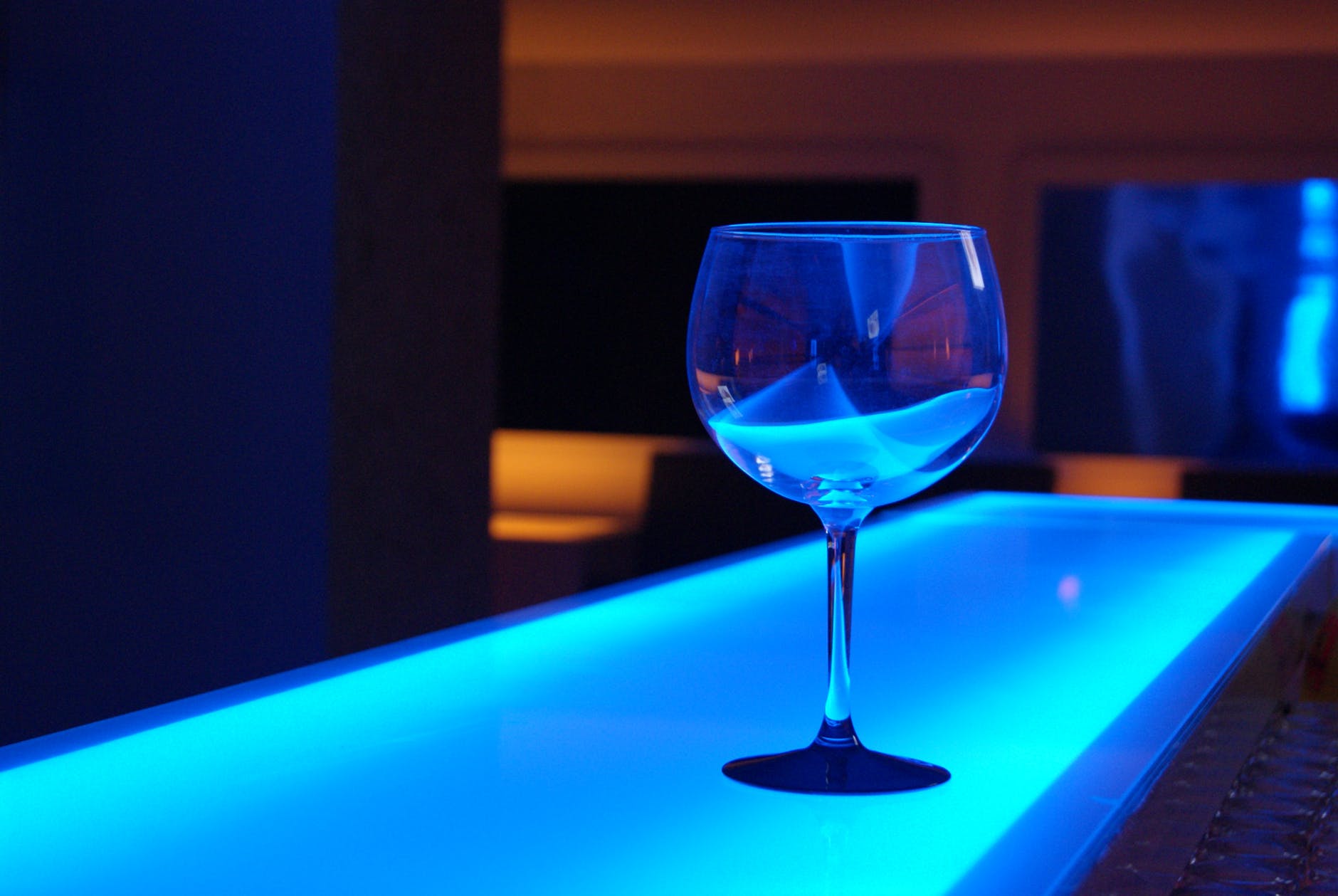
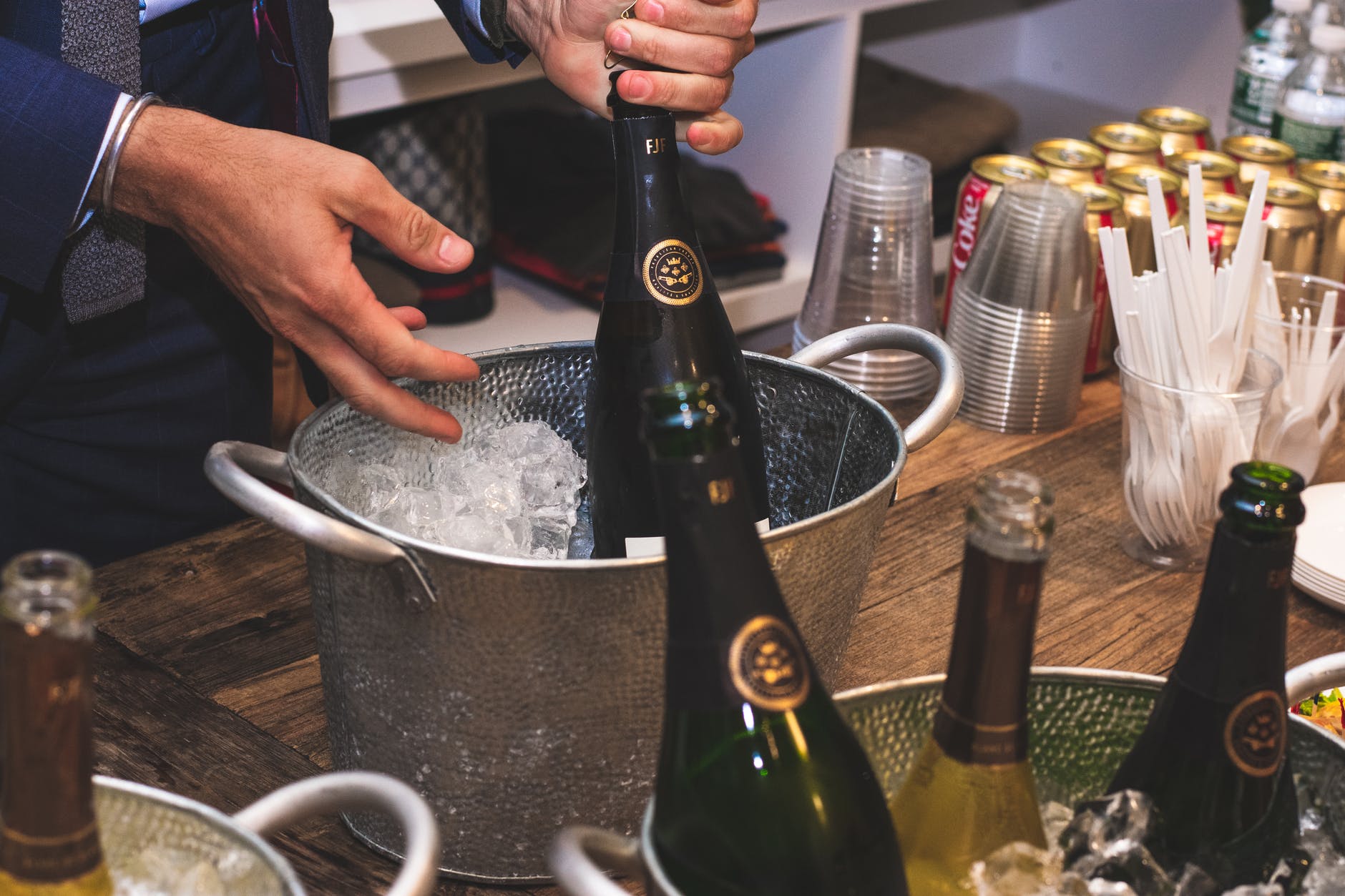
In this case, wine is more of a broad term. Over the last few years I have found there are several different ways of consuming marijuana along with alcoholic beverages. I would never smoke a harsh blunt with a complex red Bordeaux. The smoke is just too harsh to fully enjoy the nuances of the wine. However, a mellow hybrid strain in a cone with champagne can go together quite nicely on a summer afternoon. Here are my top wine/weed combinations for your next session:
- Cabernet Sauvignon with a Dry Herb Vape: Yes, there is chemistry here. I often find the concentrate-based vapes a little too “chemical” for my taste when it comes to a big, bold, nose-driven red wine. You want to fully appreciate a quality (often pricey) wine like this alongside something natural and earthy, without being too smokey and flavor-diluting. Consider a GPEN Elite. This is the only vape for ground material I use and cleaning is easy! https://www.gpen.com/collections/elite/products/g-pen-elite-for-ground-material
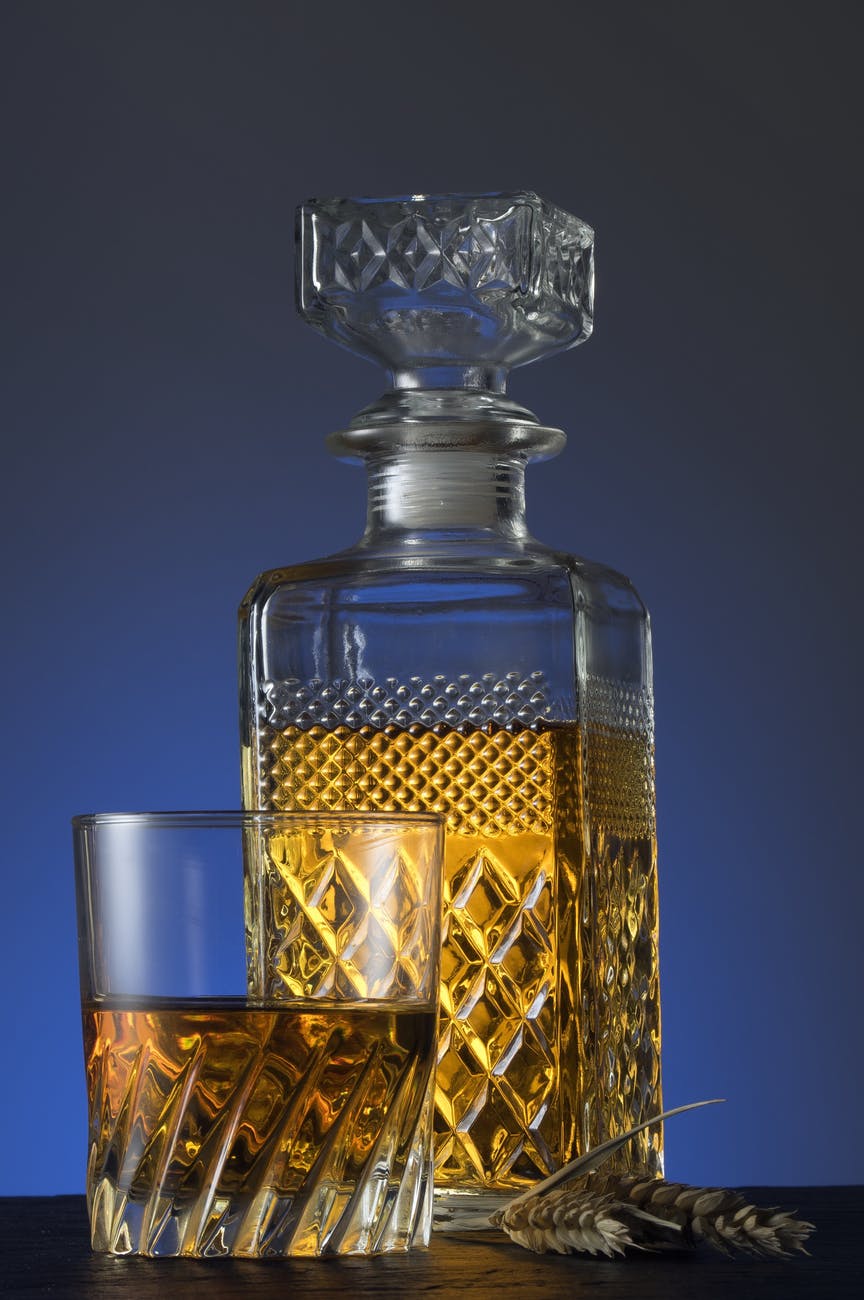
- Bourbon with a Blunt: Boom. The harsh nature of a Dutch paired with the huge flavor of a bourbon make for a really nice experience. Think of it as an alternative to a Cuban cigar with a cognac. Consider trying Hudson Baby Bourbon- sweet, yet a bit woodsy and delicious. http://www.tuthilltown.com/tuthilltown-spirits/hudson-baby-bourbon/
- Champagne with a Cone: Ah, probably my favorite combo here. It’s simple. Lighter than a blunt for sure, yet more nuanced in flavor than vaping concentrate. The light, crispness of a cold champagne on the patio with a nice packed cone is pure bliss.
Other combinations to consider:
- Concentrate-based vape and a vodka (or gin) club
- IPA and a bong
- Edible brownie and a Stout
The Only Glass You’ll Need
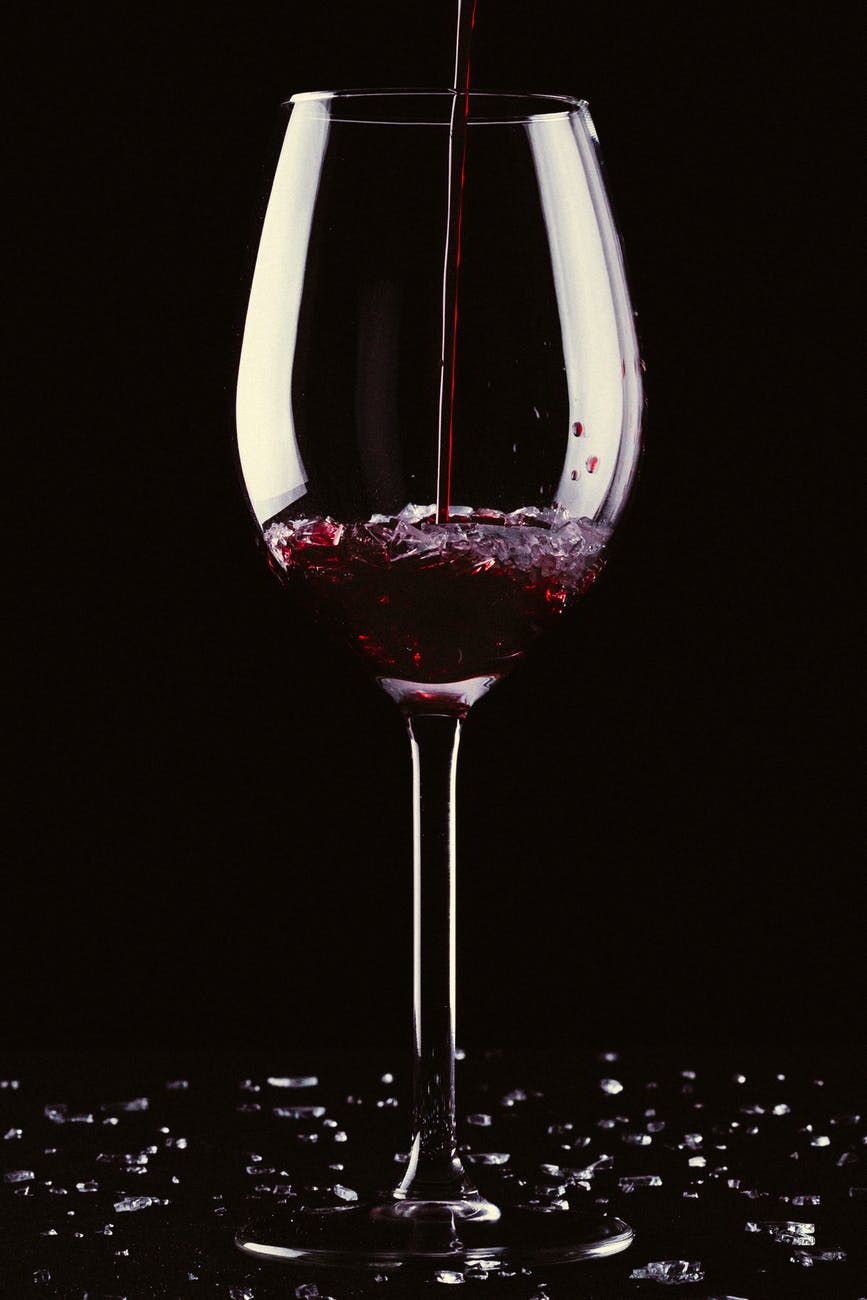
I remember walking into a Williams-Sonoma store looking for affordable glassware. A questionable sales associate approached me and started talking about a wine tasting she attended where she tried different varietals in their respective glasses and how the quality of a glass or decanter can drastically improve what you’re trying.
“All due respect,” I replied,” but that tasting was most likely designed to make you feel like glassware itself has a significant impact on what you’re drinking.” All I got was a snobby, salesperson- knows- best reply from her.
What most consumers don’t know about the wine business is just how big it is. By 2030 it’s expected to generate roughly half a trillion dollars! It’s not just the consumption of wine itself though- companies like Williams-Sonoma, Crate&Barrel, and Bed Bath & Beyond are making a killing in the sales of wine accessories. And the best sales tactic ever is to tell customers they need unique glasses for different types of wine. WRONG.
The truth is, you don’t need anything. Yes, as someone who drinks wine you can go quite nuts and buy individual glasses for Pinot Noir, Merlot, Cabernet, Chardonnay, Riesling, and so on and so forth. Glasses, much like decanters are meant to aerate, or open up the properties of the wine. In other words, a glass for drinking water may not be the most ideal method for drinking wine as it’s constrictive to letting the wine properly breathe. Having said that, there are often subtle differences from one type of glass to the next. Unless you’re drinking champagne, I would recommend targeting a fairly wide-opened glass that can suit a Pinot Grigio just as well as it can accommodate a big red like a Cabernet.
My choice glass for most varietals is the Riedel Vinum Cabernet Sauvignon/Merlot (Bordeaux) glass:
https://www.riedel.com/en-us/shop/vinum/cabernet-sauvignon-merlot-bordeaux-641600098
Food Pairings: Pesto

There are probably more articles about how to pair wine with Italian pasta dishes than there are actual pasta dishes. There are tomato-based plates that call for medium-bodied red wine, cheese or cream-based medleys that pair great with fuller-bodied whites, seafood dishes, meat-based pasta, and vegetable-infused plates. Of course, there can also be combinations like fettucine alfredo with shrimp, and homemade sauce with tomatoes, sausage, meatballs, and basil.
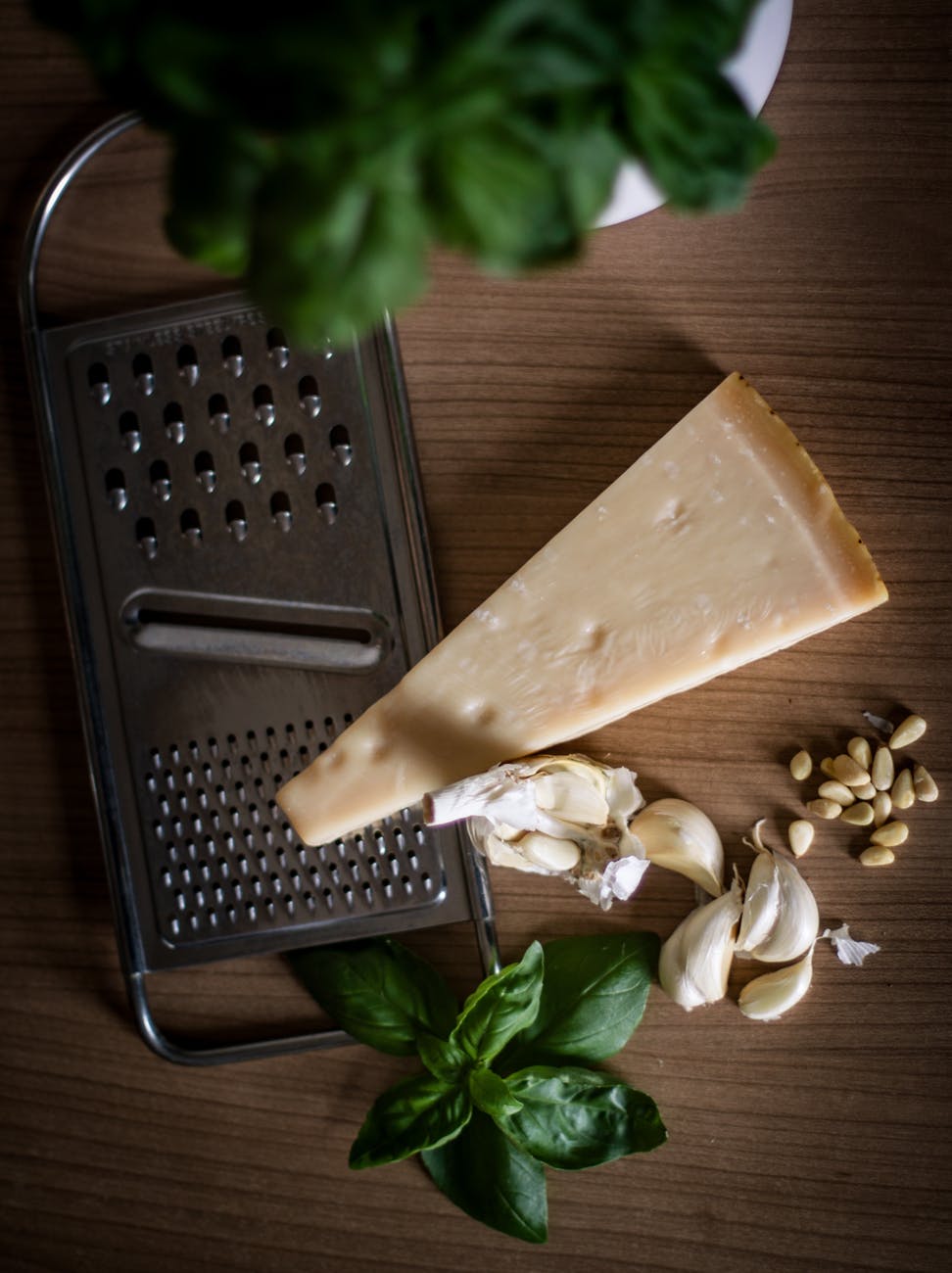
One of my favorite types of pasta is one that includes pesto sauce in it. Most pesto includes basil, olive oil, garlic, a little parmesan, and pine nuts. However there are other ways of making this sauce. Unlike other traditional sauces or creams, this one can be experimented with in several ways – throw some fresh mozzarella, wild shrimp, or grape tomatoes in the mix to change the taste, add less basil and more arugula to make it more herbaceous, or use more basil concentration to create a fuller taste. Additionally, the pasta you use also has influence over the taste and what wine you can pair it with. Sprouted wheat or spinach pasta give the dish a more plant-like taste, whereas ravioli adds a bit more of a savory, cheesier flare. Below are a few pesto plate and wine combinations that will definitely surprise you….
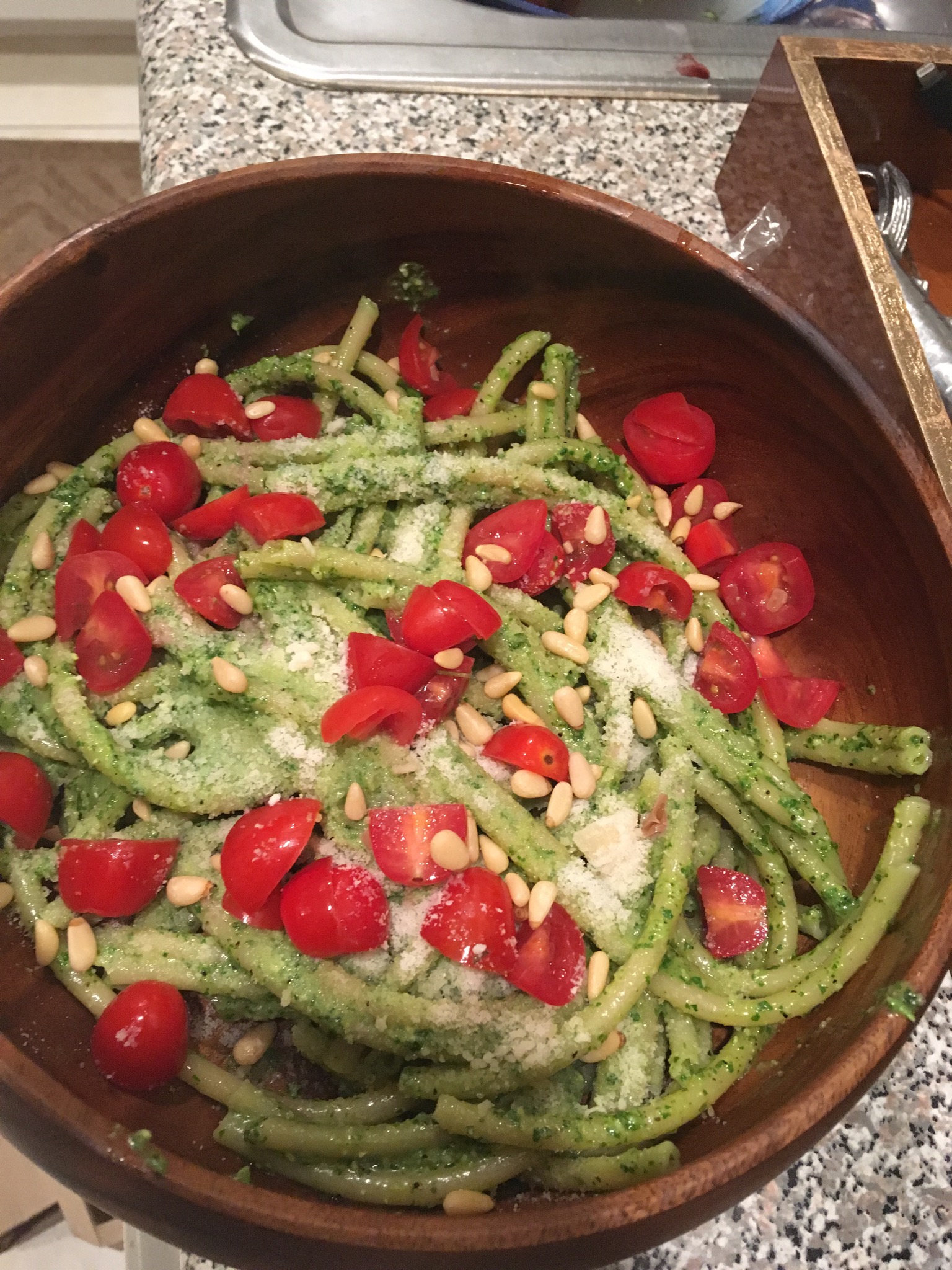
- The sauce: 3/4 basil, 1/4 fresh mint, garlic, sea salt, black pepper, parmesan, pine nuts, olive oil- mixed in separately with red-wine soaked grape tomatoes. The pasta: Linguine or spaghetti. The wine: Cline Pinot Noir, Santa Barbara. This wine is between light and medium in body with plenty of red fruit and a subtle hint of mint that will pair well with the acidity in the grape tomatoes and herbs in the sauce. For an extra kick, chop the grape tomatoes and soak them in red wine overnight in the fridge!
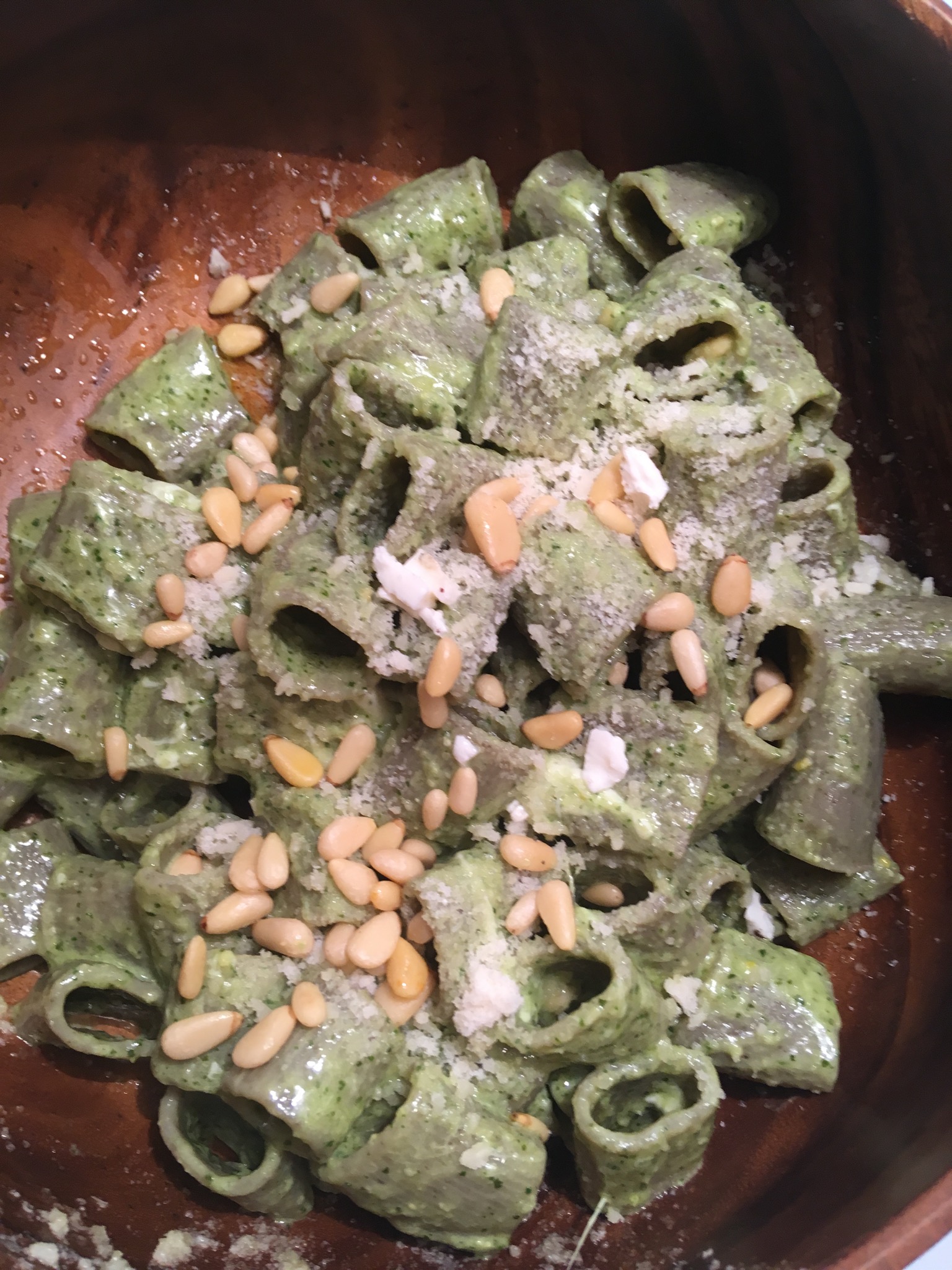
- The sauce: 1/2 basil, 1/2 arugula, garlic, sea salt, pine nuts, parmesan, olive oil. The pasta: Hemp rigatoni or spiral pasta. The wine: Cloudy Bay Sauvignon Blanc, New Zealand. This wine has just the right balance of light body and grassiness. It will compliment the herbaceous, plant-like quality of the sauce and pasta.
- The sauce: All basil, cream, garlic, sea salt, pine nuts, parmesan, olive oil, touch of butter. Topped with slices of fresh mozzarella. The pasta: Piped orecchiette or bowtie pasta. The wine: Raeburn Chardonnay, Russian River Valley. The creamy, full-bodied texture of this California Chardonnay pairs excellently with the cheesier, creamier version of the pesto sauce.
Food Pairings: Wine & Weed
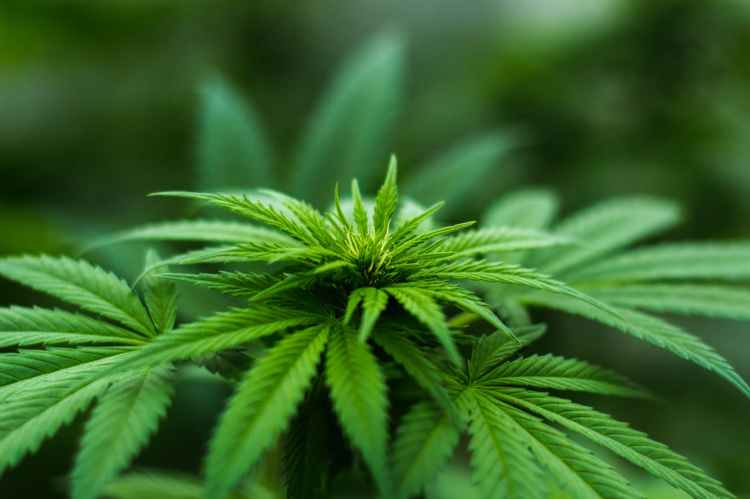
Upon dining at any decent restaurant a waiter will (hopefully) bring out a bread basket and ask if you prefer still or sparkling water. While a sense of formality has dissipated heavily in 2019, people still enjoy going to a restaurant for a sense of ritualism and escape. Besides the daunting task of picking out what food course(s) you are in the mood for, there is usually the often terrifying, long wine list. Beyond this, especially in the next 5-10 years, I believe there will be an addition to the fine dining experience that most people of class would scoff at- marijuana.
Of course, the first thing that comes to mind is being dressed in a wrinkled T-shirt, backwards hat and sneakers, having Bob Marley play in the background, slugging a beer, and ordering pizza while your eyes glaze over after taking a long hit off a fat blunt. Alternatively, I think weed could be consumed as a palate cleanser and/or enhancer that will only add to awesome wine and food pairings. Here are a few ideas of what you might see on a future menu:
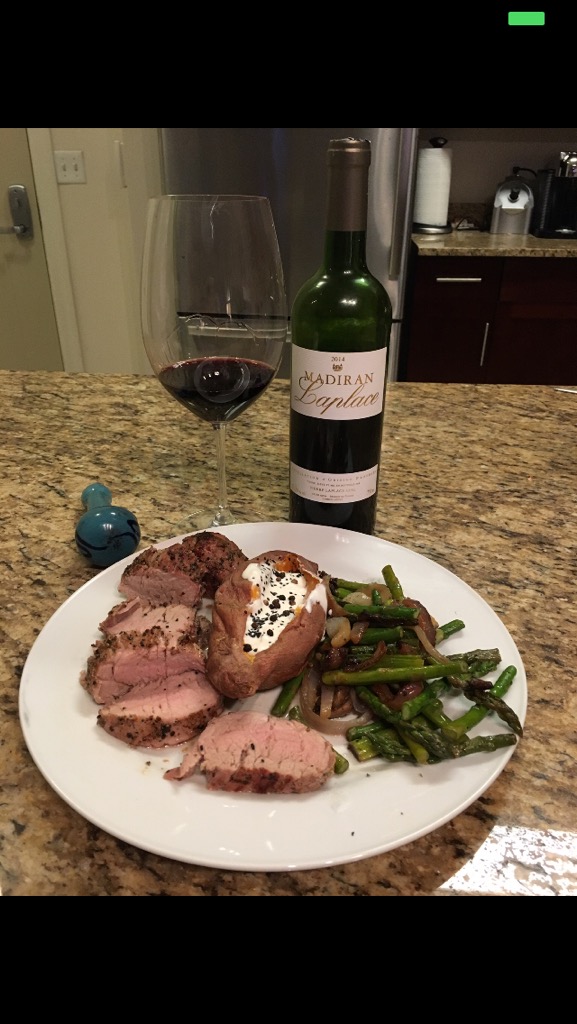
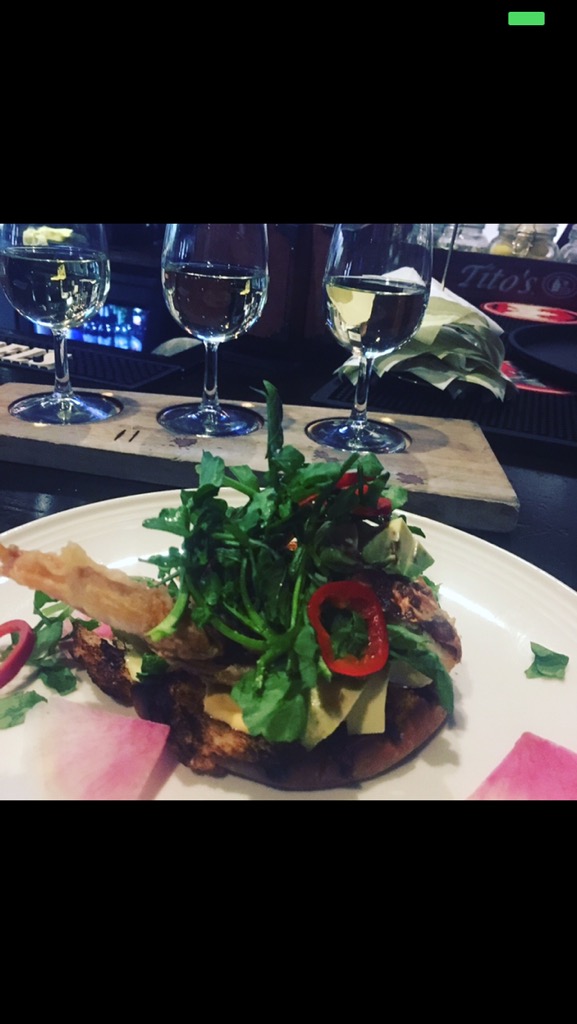
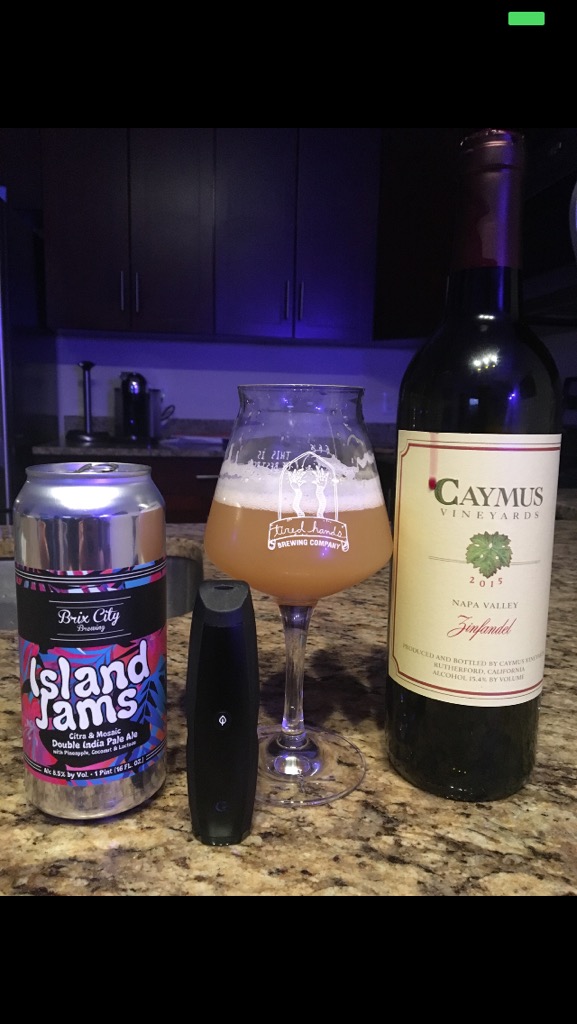
MARIJUANA STRAIN/TYPE OF WINE/CUISINE
- Northern Lights/ Cabernet Sauvignon or Zinfandel/Dry-Aged NY Strip – The strain itself has notes of baking spices, helps any stomach issues, and relieves anxiety. A “warmer” sensation and flavor profile asks for a smooth, bold, full-bodied red wine and juicy, flavorful steak complete this pairing in the form of pure gold…. or green.
- Jack Herer/Champagne/Raw Seafood – This strain has a different kind of aromatic profile comprised of citrus-like notes (lime, lemon, grapefruit) and keeps you awake. It can even provide a small energy boost throughout the day. What is better than day-drinking Champagne and pairing it with raw lobster meat, crab legs, or oysters? Unlike a bold red which often makes you tired, this combination is perfect on a summer day, preferably near a beach!
- OG Kush/Chianti Classico/Rigatoni Bolognese – OG Kush has a range of different notes to it including mixed herbs. It’s an earthier strain in its taste, but still a winner. Effects include mood improvement and relaxation. Going back to comfort food, I couldn’t think of a better pairing than a classic, rustic Italian red with an equally famous dish. Enjoy.
Food Pairings: Desserts
Ever drink champagne with cake at a wedding, and something just didn’t taste right, but you were too drunk to really complain about it? Ever listen to some “foodie” talk about the purifying health benefits of dark chocolate and red wine together, even though it tastes like shit? Most people make a common disassociation between sweets and alcohol, and it’s easy to explain…. and even easier to correct.
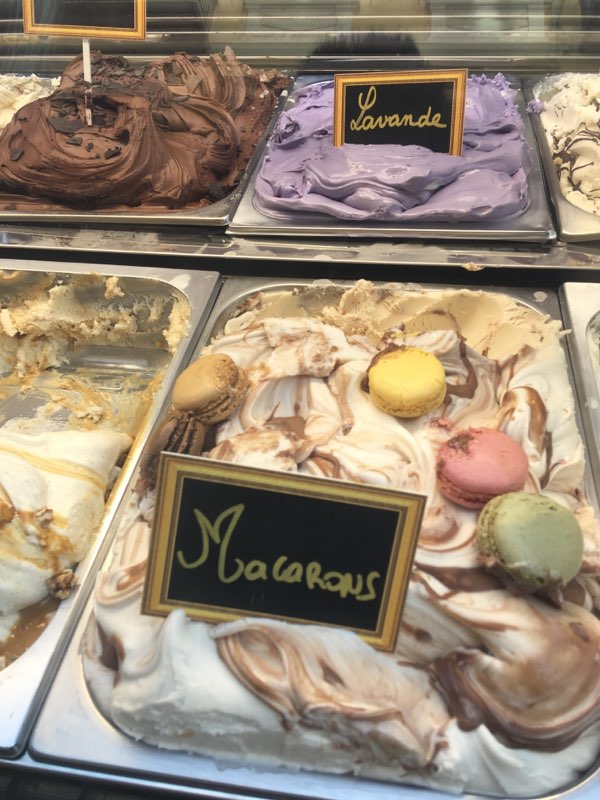
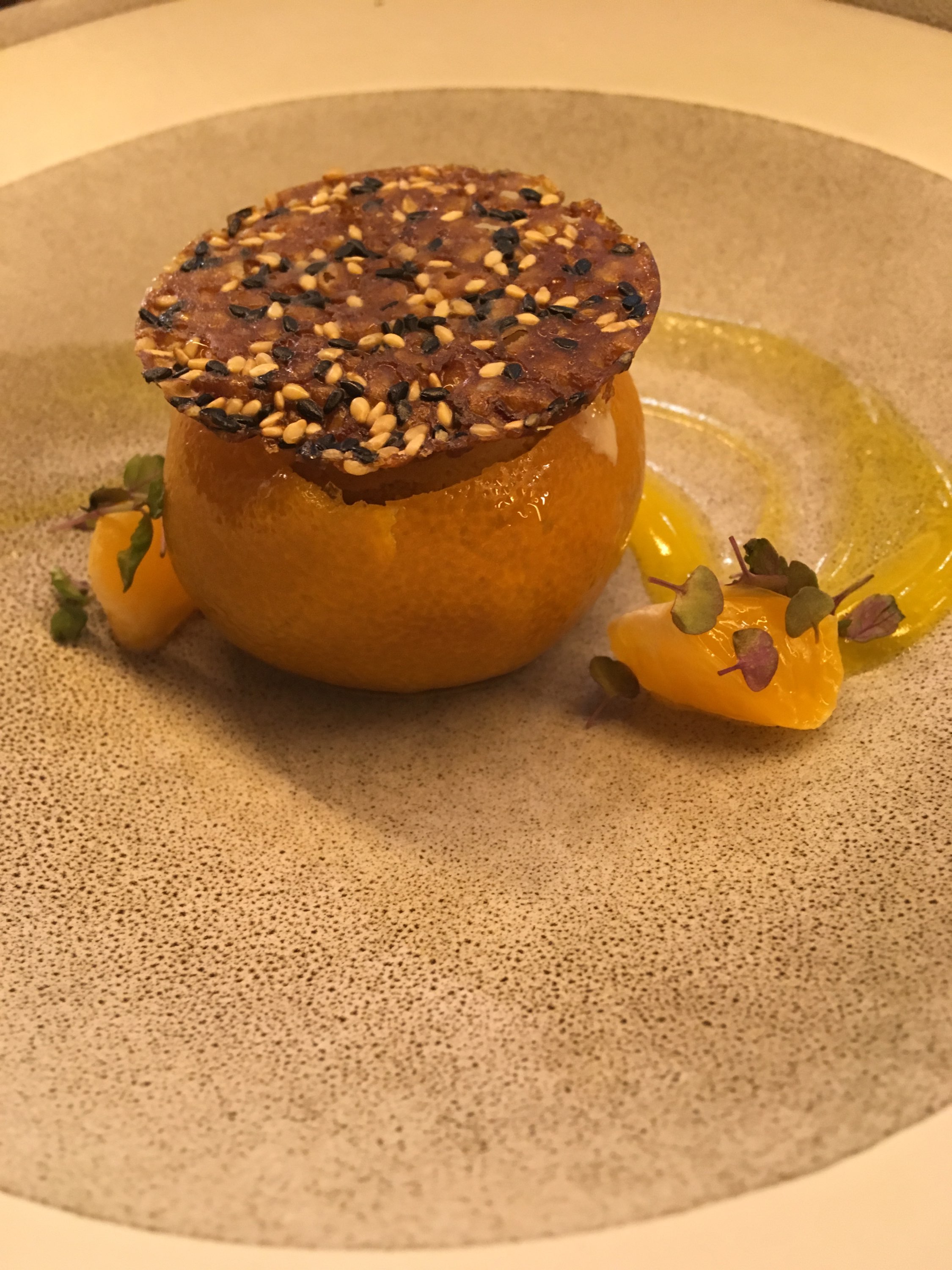
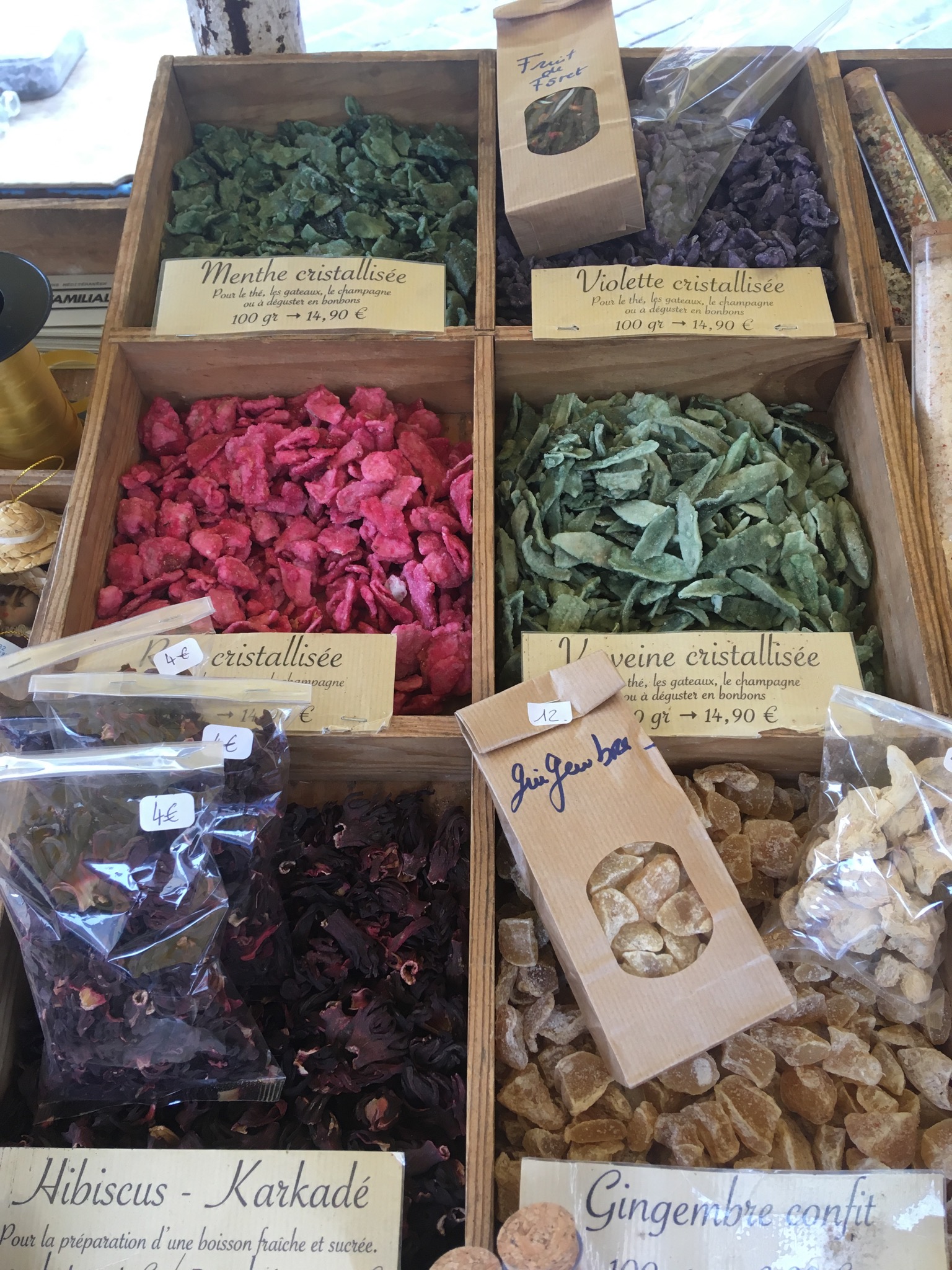
Certain food and alcohol pairings just work. Steak and Cabernet. A hot dog and a cold beer. Vodka and caviar. There is no accident as to why certain combinations just make sense. However, desserts are a whole different playing field. Sweet naturally pairs with as sweet, if not sweeter. If you try going for a beverage less sweet than the dessert you’re having, it will just taste bitter and wrong. Imagine how disgusting the thought of having a Corona and Banana Split would be. The reason most people commonly mismatch desserts and beverages is because most of the awesome types of alcohol you would have are just not as readily available or even known vs. a sparkling wine, red blend, or whiskey. Here are my top sweets and alcohol pairing suggestions the next time you plan on hosting a dessert party:
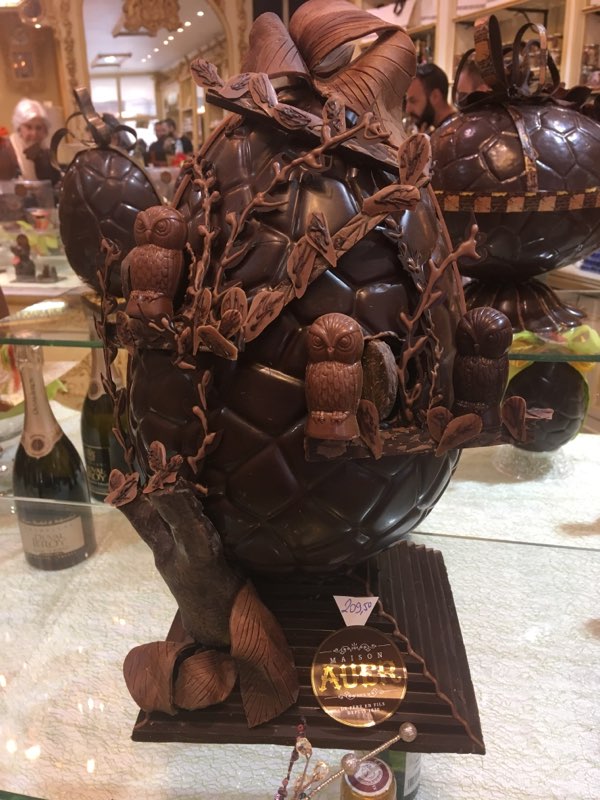
- Chocolate Molten Lava Cake and Ruby Port – the combination is damn near perfect. Ruby Ports (not to be confused with Tawny Ports) are not only sweet, but have a very bold, fruity profile – think raspberry, blackberry, cherry, and yes… chocolate. The berry-filled tastes goes with the oozing chocolate dessert perfectly. You can get most Ruby Ports cheap, but you can also upgrade a Late Bottled Vintage (LBV) if it’s a special occasion.
- Dutch Apple Pie and Sauternes – It’s as if Sauternes was made to be consumed with apple pie. Sauternes is a late-harvest French white wine that is comprised of grapes (mainly Sauvignon Blanc and Semillon) that are positively affected by Botryrtis, a noble rot that causes the grapes to produce a full-bodied, sweet taste. The end product results in flavors of caramel, butterscotch, and creme brulee! To have it with apple pie is a no-brainer.
- Sundae and Stout – This one is my personal favorite because you can go as crazy or as creative as you want here, just as if you were picking out flavors and toppings in an ice cream shoppe. Flavored stouts usually have strong notes of chocolate, coffee, and/or nuts. Large and small producers alike all compete to create the most unique types of stouts so that they can enjoyed on their own, or with a delicious dessert. I personally like the idea of using a chocolate or coffee stout as a substitute to hot fudge, dressing only vanilla ice cream with nuts and cherries. Like I said, you can get as creative as you’d like here.
 The Chosen Vine