
Restaurant Review: Common Lot – Milburn, NJ
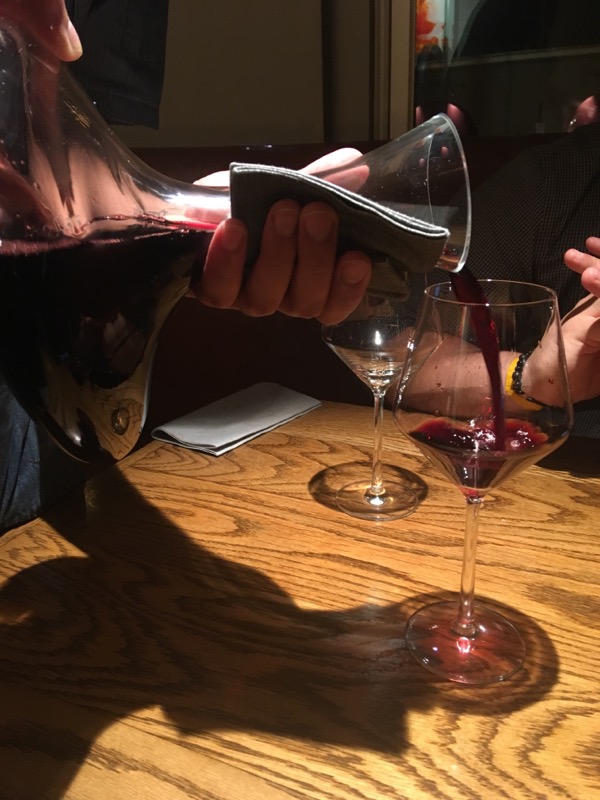
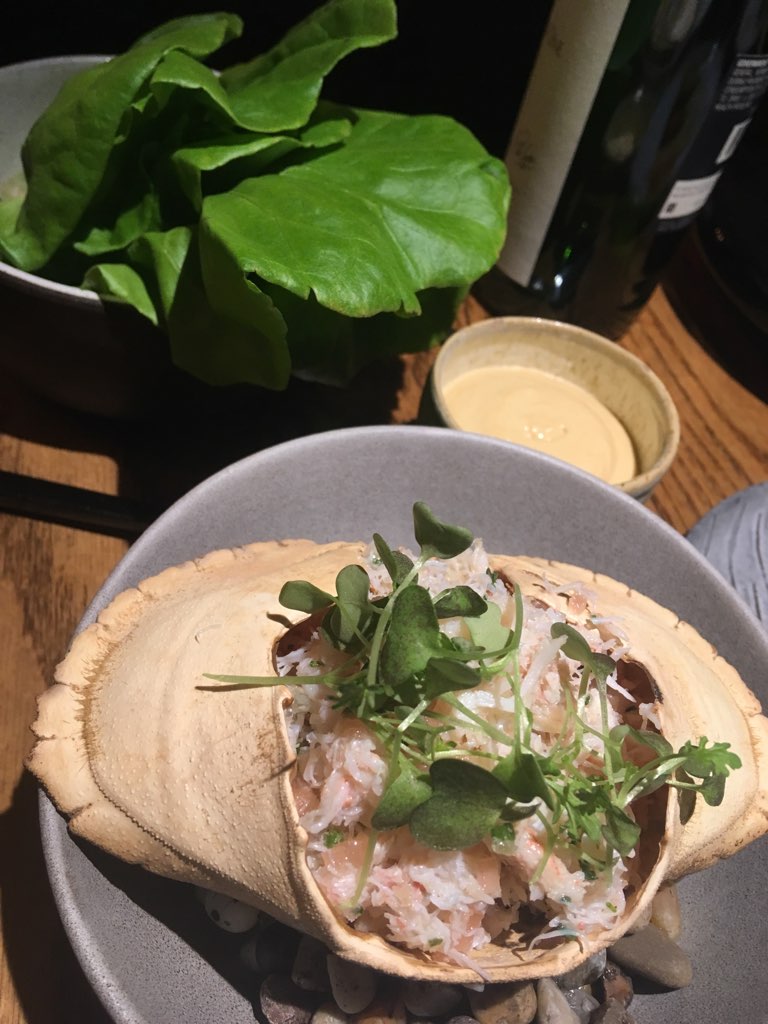
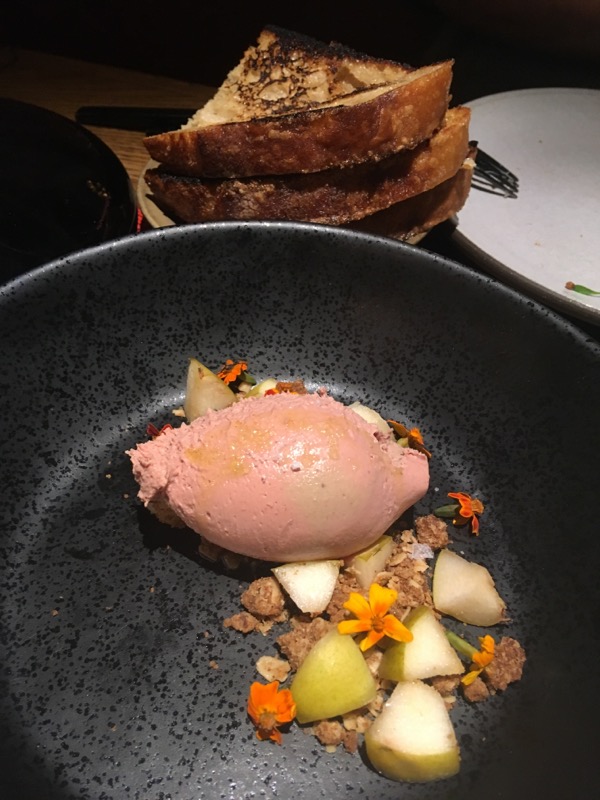
There are BYOB restaurants, and then there are BYOB restaurants. Common Lot isn’t your average dining option. Between the atmosphere, level of service, and overall quality of the establishment’s cuisine, you would think you were dining in a Michelin star-rated spot in Manhattan.
The interior is modern and clean, yet warm and inviting. There are two levels – the main dining room being a bit louder and public, the upstairs area being geared more for private parties. Weather permitting, the restaurant also has a courtyard by the front entrance. But the most unique dining feature is the difficult-to-reserve Kitchen Pass.

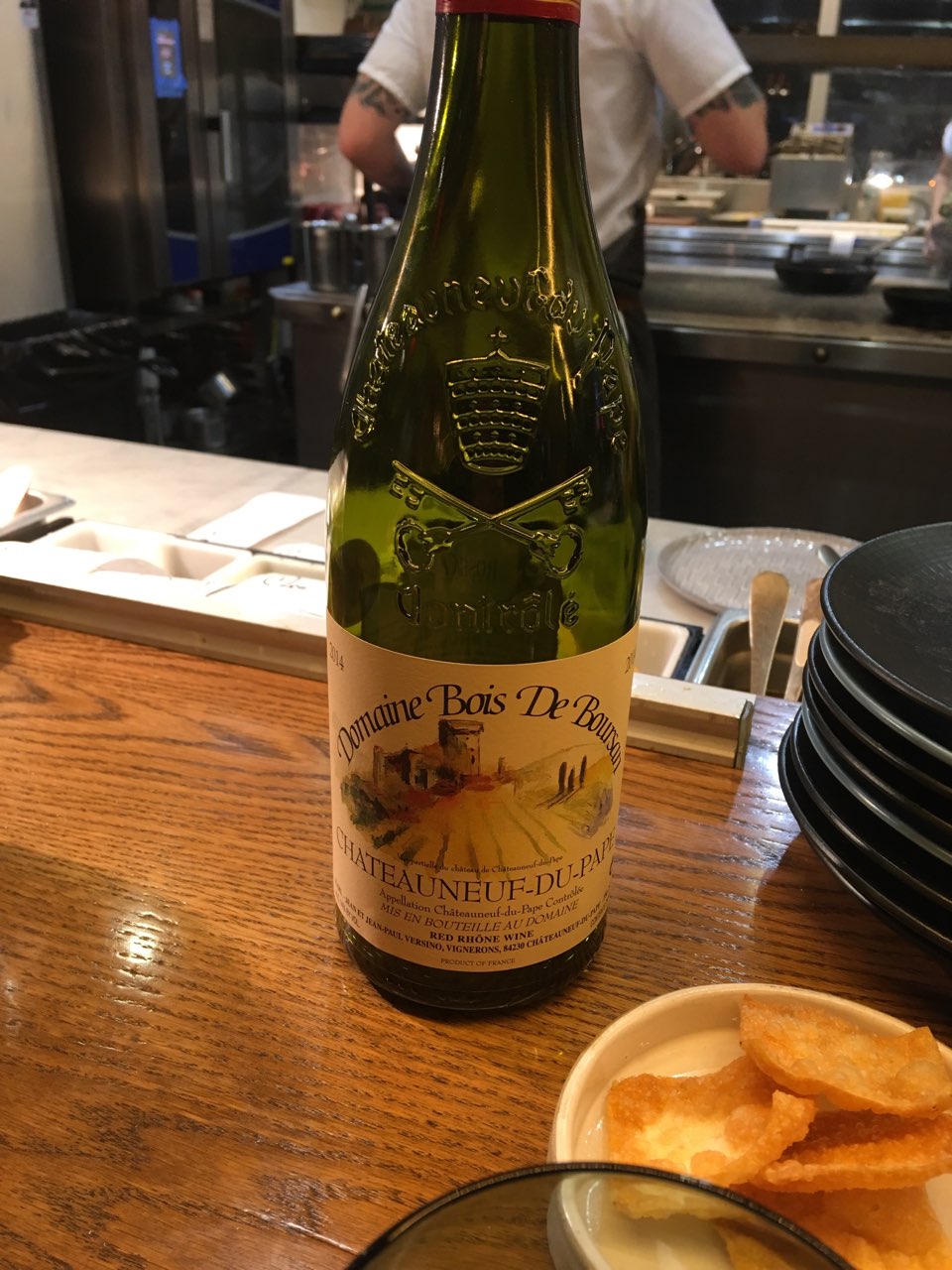

Kitchen Pass allows up to four dining patrons to sit on distressed leather counter-height seats in a private section within the main dining floor. The main draw is that you have the best view of chefs making you your own private tasting menu. While the primary menu options for the rest of the restaurant are stellar, this private experience allows you to try very unique cuisine especially made for you. At shy of $100 per person, it is a bargain as the experience lasts up to four hours.
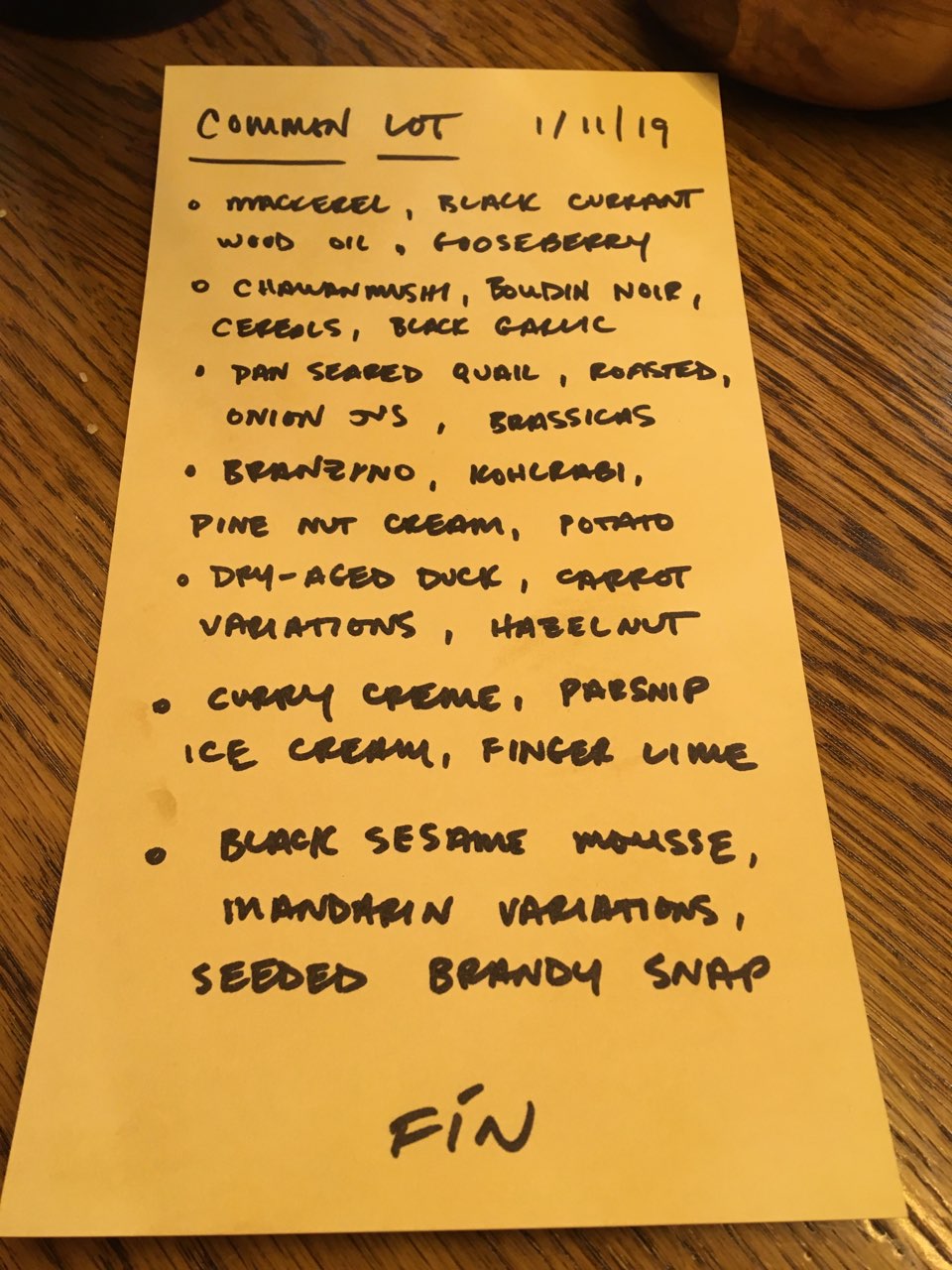
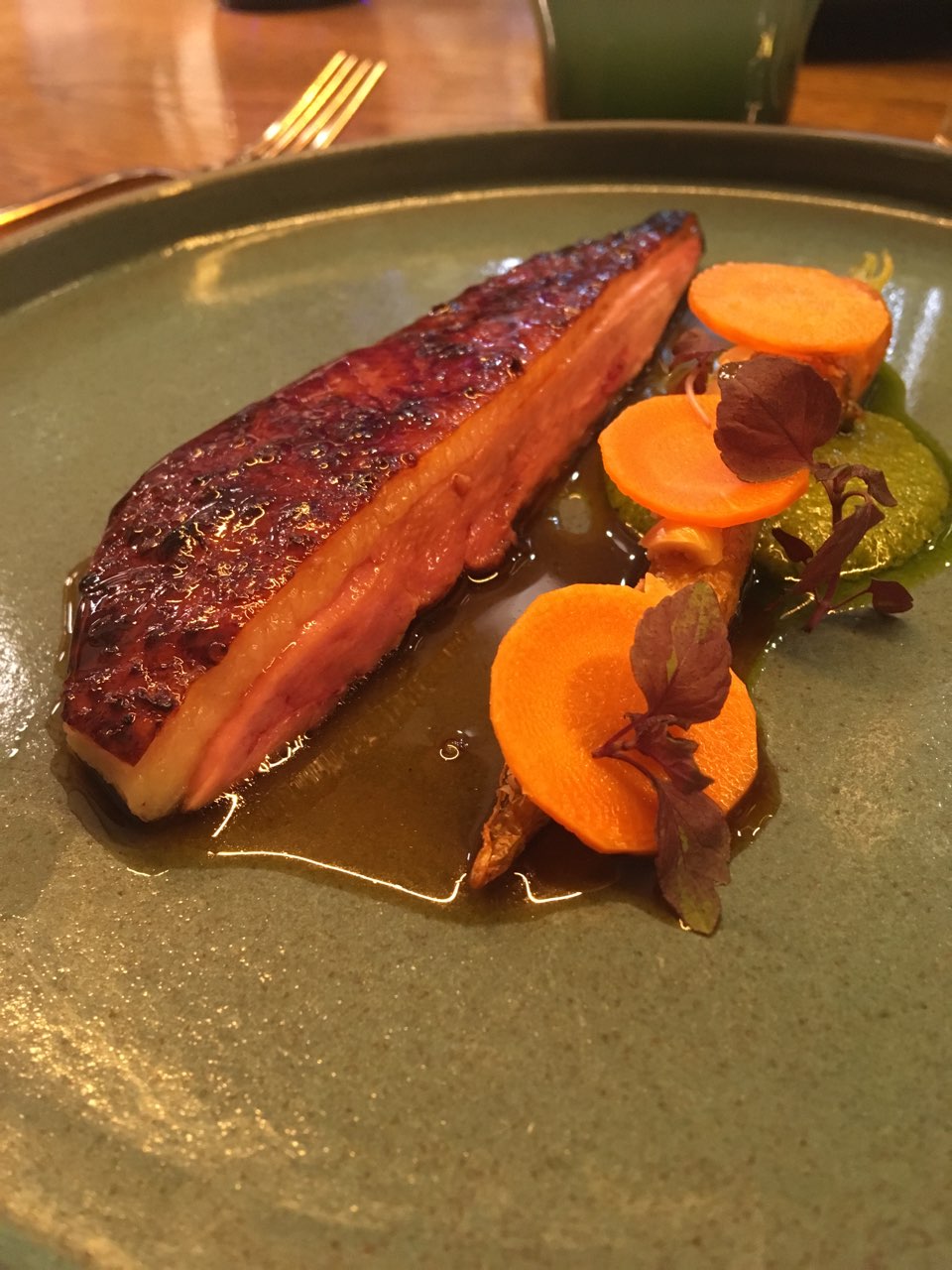
Earlier this year I was lucky enough to try Kitchen Pass and specifically remember how good the dry-aged duck and quail were.
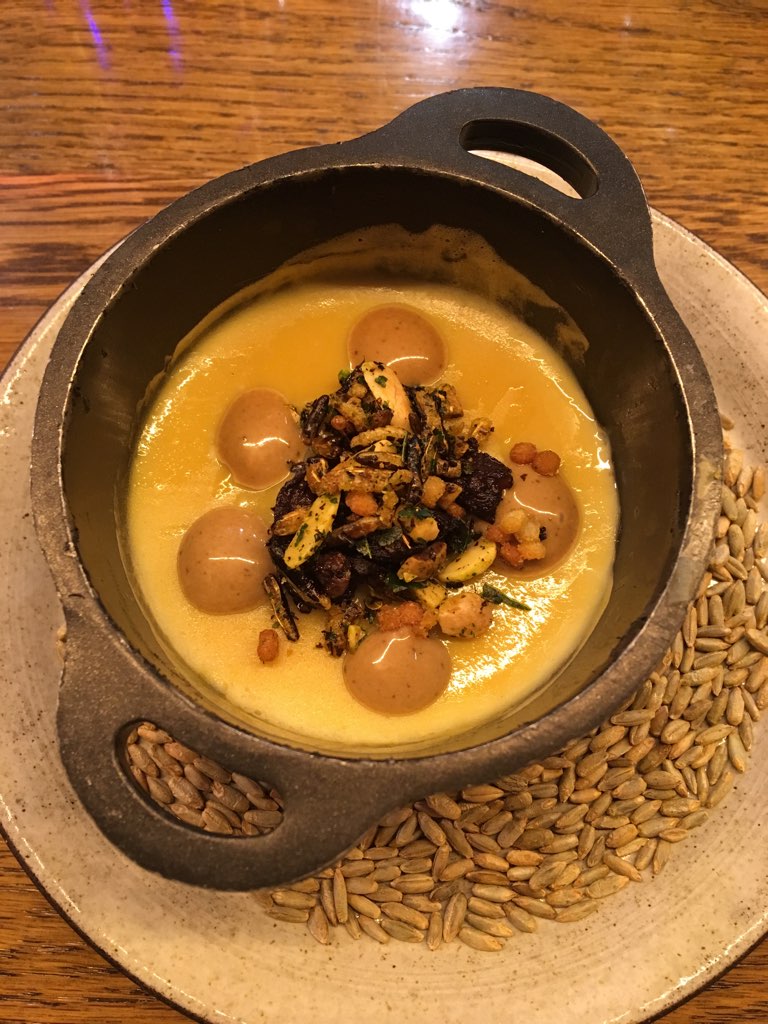
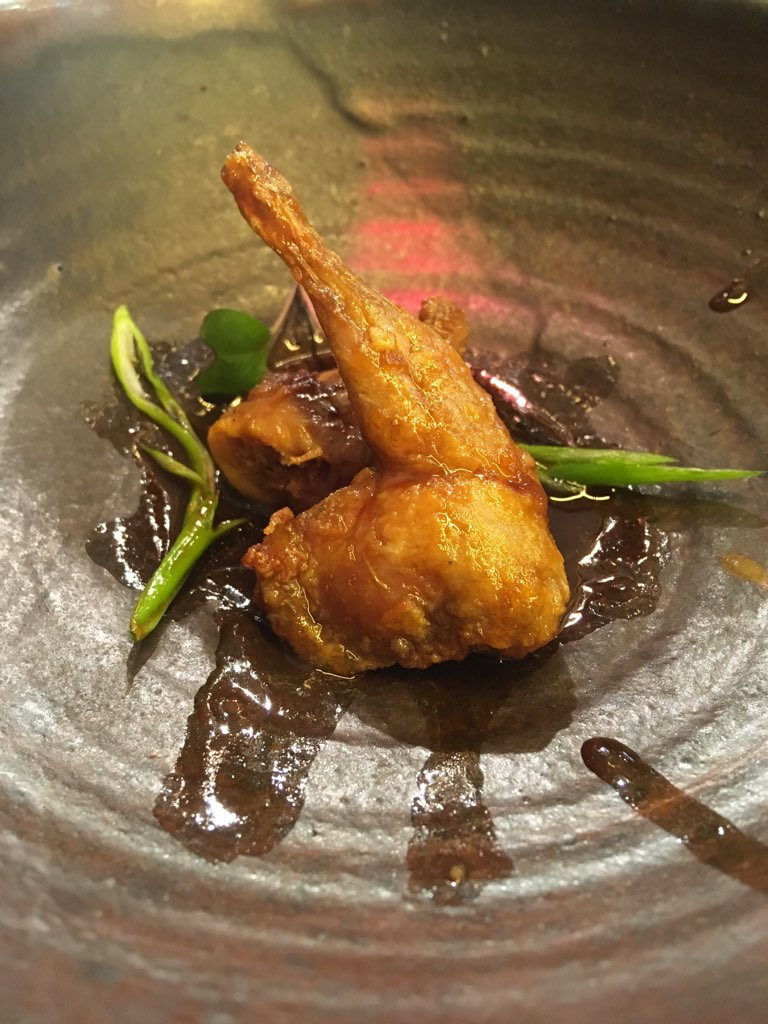
The best part of Common Lot is that whether you opt for Kitchen Pass or just want a simple table for two in the main dining area, there are always plenty of options for good wine and food pairings, and the restaurant remains incredibly BYOB friendly. They even have a wine list for a local wine boutique that will deliver to you in under ten minutes!
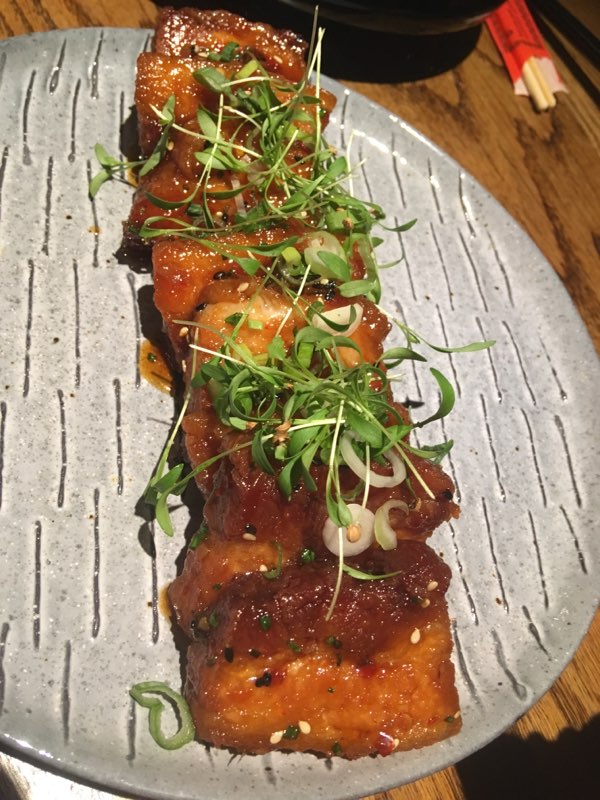
Notable dishes off the primary menu are dry-aged ribeye for two, the pork belly, and wagyu tartare.
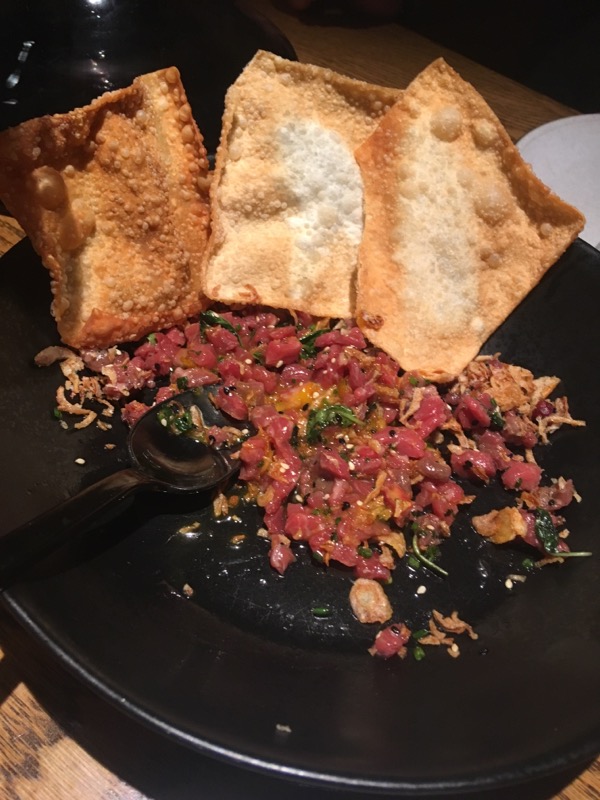
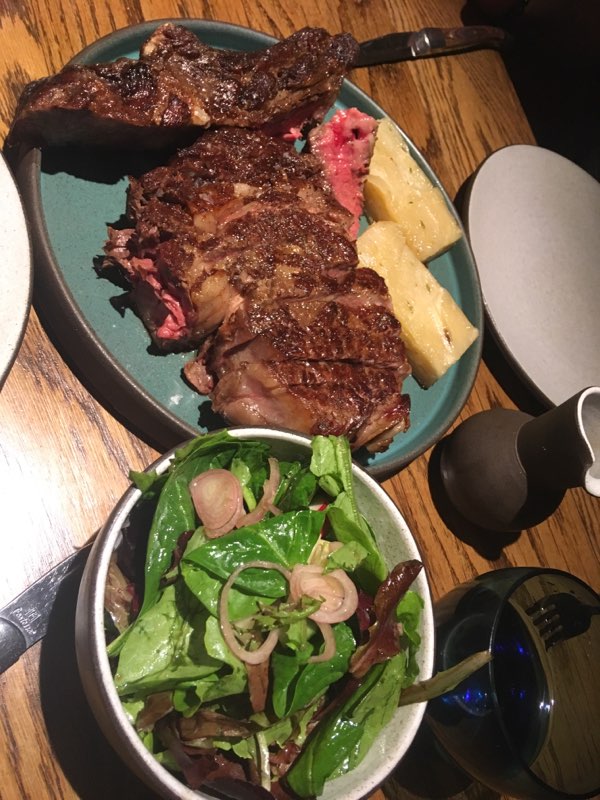
Food Pairings: Oysters
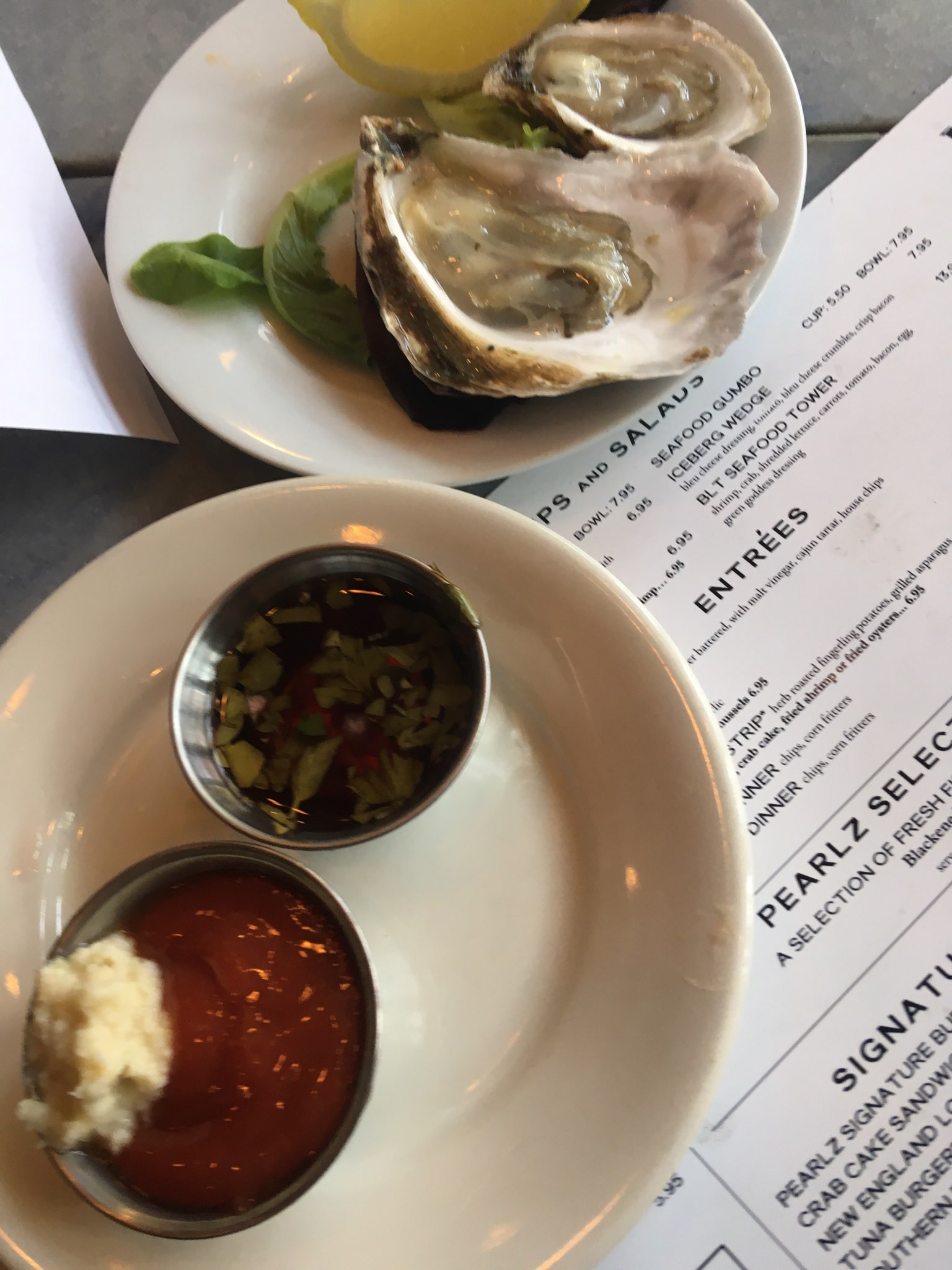
Oysters are delicate in its nature. Not everyone is a fan of the taste or texture of them, and each species has its own characteristic. There are five main types of oysters:
- Pacific – sweeter, less briny than other types of oysters.
- Atlantic – clean, crisp, briny like the ocean.
- Kumamoto – buttery, creamy, nutty, with a refreshing finish that can taste like melon.
- Olympia – creamy but with a finish that is more metallic than fruit-like.
- European Flat – Meaty, strong minerality, and a finish described as gamey.
While the first three types of oysters are the most common to find at most restaurants or raw bars, it is good to know which oyster has to offer in terms of flavor and finish. I’m more likely to order Atlantic oysters since they taste more like the ocean.
However, for all intents and purposes, let’s keep things simple and list three fool-proof beverage pairings that go with oysters every time.
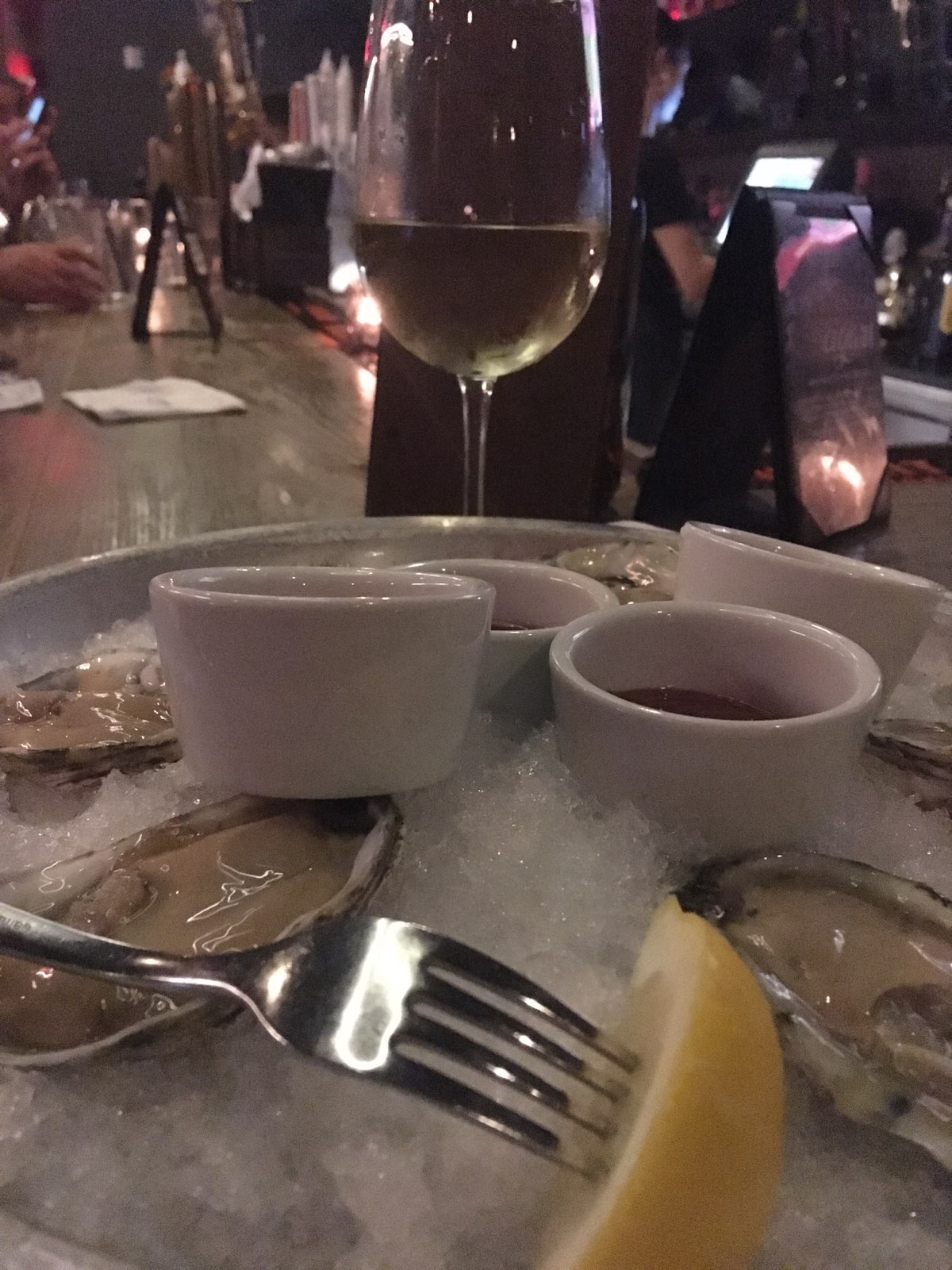
- White Wine – Most white wines will pair awesomely with oysters. My top picks include Muscadet, Chablis, and of course, Champagne- mainly because these wines are so dry, crisp and refreshing that they add to the flavor of the oyster accompanied, or unaccompanied by vinegar, lemon, and/or tabasco. Other honorable mentions include Sauvignon Blanc and Chardonnay, but be aware that a buttery Chardonnay from California may be a little too intense for the delicate flavor of the oyster.
- Beer – Nothing pairs with oysters better to me than a Coors Light. People would call me out of my mind, but I think the simple, light, yet carbonated texture of the beer is a perfect companion to oysters. However, any good lager or pilsner would match just as well. Another notable beer to mention is a Guiness. The bitterness of this black stout contrasts the taste of most oysters, especially the briny, saltier ones you’d find in the Atlantic.
- Gin or Vodka – Especially as a dry martini! I prefer a good Bombay Sapphire martini with extra olives myself, but either gin or vodka will go very well with oysters. Can be made on the rocks with a little club soda as well, just avoid tonic water or anything sweet as a mixer- it will kill the taste when paired with any oyster.
Vintages- How Do You Know?
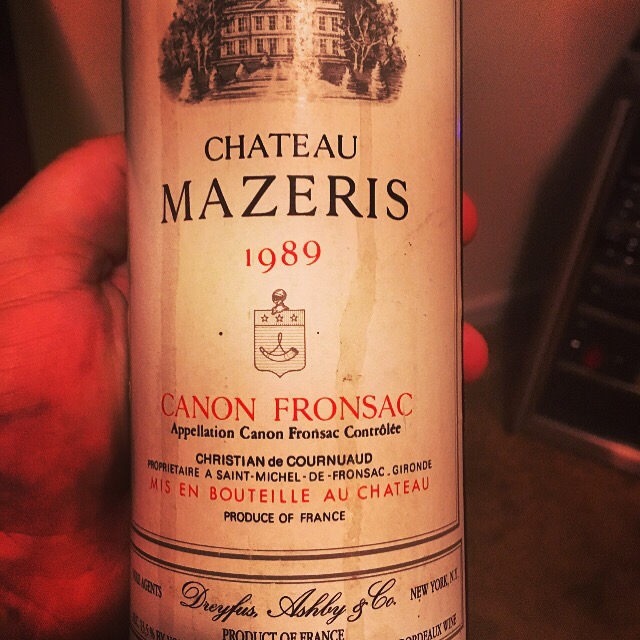
One of my main obsessions with wine is the vintage. As someone who manages a wine boutique, I find that only a very small percentage of customers ask about what years are best for certain types of wine.
There are specific years for areas like Napa Valley/Sonoma and Bordeaux where the year the wine was produced and released is crucial. For example, 2010 was a landmark year for both the Left and Right Bank of Bordeaux. Other notable years were 1961, 1982, 2000, 2005, 2009, and 2015. In Napa and Sonoma, 2007, 2012, and 2013 were all great recent vintages.
However, just because you have a great vintage for a wine doesn’t mean the wine will still be good. I once opened up a 1990 Jordan Cabernet. I was so excited about it- a wine that I already loved as a 2012 vintage, but 1990!? …
Much to my surprise the wine was flat and was lacking in a lot of fruit. The wine just wasn’t good. When I did further research I realized for this particular producer the shelf life was MAYBE 15 years. Some quality red wines only have 10-15 years until they peak, some can go on for over a hundred years. For example, you can still buy a 1900 Chateau Margaux and apparently it’s still going strong. 118 years!
I recently was able to get my hands on a wine I had never heard of before, but was a seemingly kept intact 1989. Everything I read about this wine lead me to believe it was going to be a stinker. When I opened it the cork was disintegrating before my eyes. However, WHAT A WINE! The fruit did come down a bit, but what came out were chocolaty and gamy notes due to the 30 years of aging! However this was kept and stored was excellent.
Overall, a good producer and a good vintage usually indicate the wine will age well over time, however you never know. Sometimes a good wine can only live so long before that inevitable decline, sometimes that wild card, lesser known wine that’s 20+ years old might taste exquisite.
Opus One: Worth It?
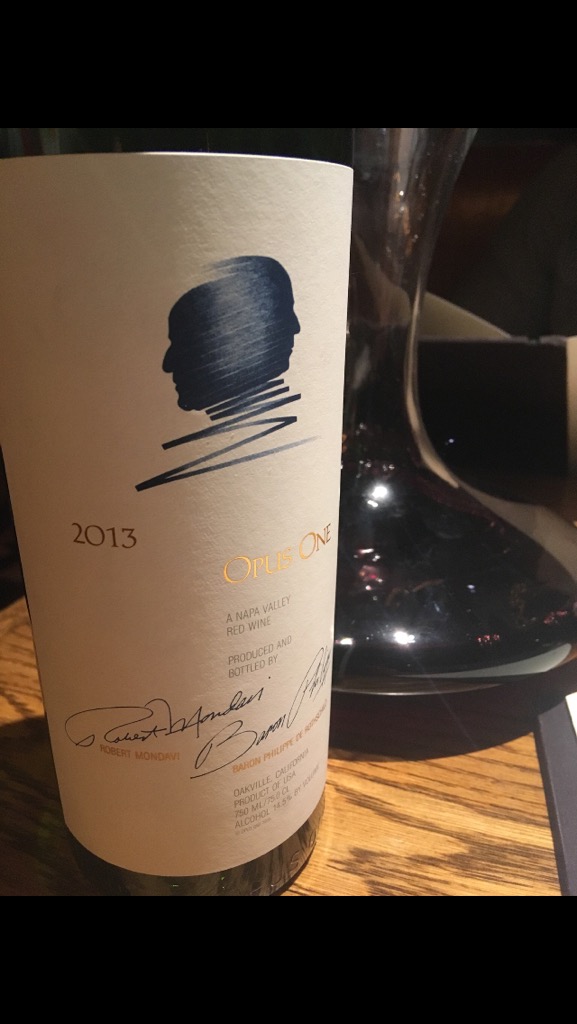
There’s just something about the label on a bottle of Opus One that has always pulled me in. Most collectors and consumers won’t admit it, but a lot of the reason they pick out a bottle of wine in a store of hundreds, if not thousands of options is because they’re attracted to the imagery on the bottle.
When I first saw that simplistic white paper with the gold lettering and royal blue “connected heads” logo, I just needed to know what this wine was about.
The first Opus One I tried was a 2012. Up until this point I thought spending more than forty bucks on a bottle of wine was ridiculous, but at the time $250 was whatever just to try what was in this bottle. I had the wine with wagyu filet mignon, and the combination was unlike anything I had ever tried before. There is an elegance to Opus One that rivals Napa Valley’s reputation. Napa is known to produce jammier, juicier, oakier reds. This had just the right balance of fruit, oak, and smoothness to it.
In the next few years to come I’ve tried the 1985, 2011, 2006, 2014, and 2013 – all excellent and thought-provoking in their own ways. So, is Opus One worth the price?
Wine Pairings: Steak Tartare
Have you ever wondered why certain things go together, and others do not? Milk and cookies- classic combination. Popcorn and Coke at the movie theater- perfect. But would you pair soda with cookies, or milk with popcorn? While there are “no rules” when it comes to food/beverage pairings, sometimes certain pairings are just fantastic, and others fall flat.


In the context of wine, there are certain foods that demand a proper wine pairing. For example, while you can technically pair a light-bodied red or fuller-bodied white wine with a fatty, juicy Ribeye steak, the choice is usually obvious – big, bold, full-bodied reds like Cabernet Sauvignon, Merlot, or Zinfandel. Contrarily, a plate of oysters would leave your mouth tasting like aluminum foil after pairing it with a luscious red. Sparkling white and Muscadet are a lot more appropriate.
One dish that has always spoken to me as quite versatile is the classic steak tartare. I used to go on the principle that if we’re talking steak, we always stick to full-bodied reds. But then I learned you don’t have to go for a Bordeaux Blend or mouth-coating Super Tuscan as a primary choice every time. While certain flavorful cuts like a NY Strip call for the higher alcohol, acidity, and tannins to cut through the fat, leaner cuts like Filet Mignon can easily be paired with light to medium reds such as Pinot Noir. Even a buttery Napa Valley Chardonnay is a healthy alternative to certain reds as it has a distinct, strong full body that complements the meat accordingly.
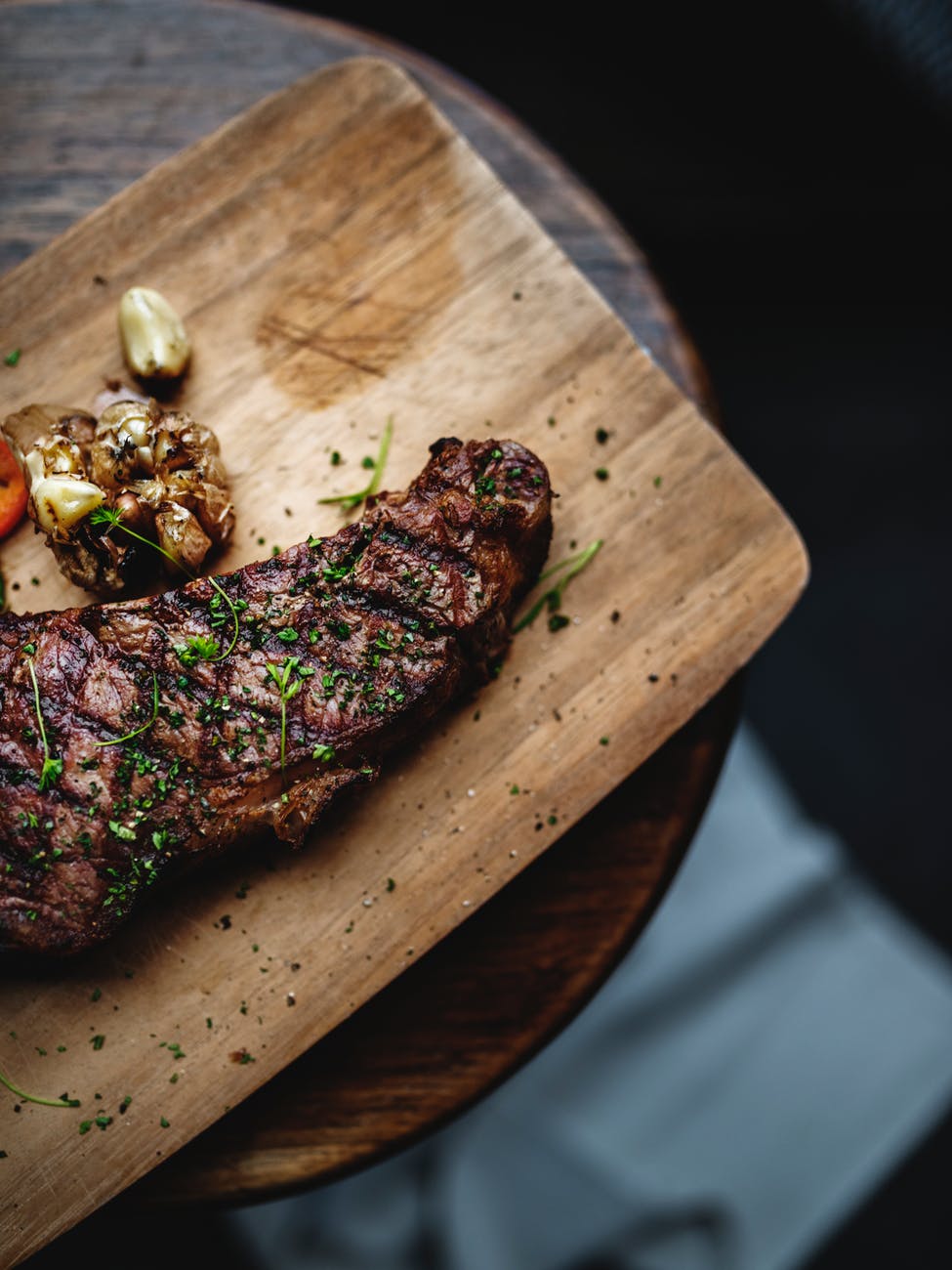
Photo by rawpixel.com on Pexels.com
But then there’s steak tartare which essentially is RAW- not rare, but RAW filet mignon. There are variations on this dish but usually it includes parsley, capers, seasonings, and a raw egg that are all mixed together to create a very savory dish. Some might call it an appetizer, I personally think it can be a meal all on its own. Because it is mainly comprised of red meat full-bodied red wine might automatically pop out as the obvious choice. Interestingly enough, because of its uncooked flavor profile, and at times extra ‘umami’ flavor, it takes on a unique flavor profile that can only be described as “plays well with others”.

Photo by rawpixel.com on Pexels.com
Here are all of the wines that will pair beautifully with Steak Tartare:
Light Red Wines: Beaujolais, Gamay, Pinot Noir from Burgundy… Because tartare doesn’t have the same texture or grilled surface as a cooked steak, it doesn’t need to rely on grippy tannins that you’d find in a fuller-bodied red. These lighter wines are easy to drink, offer a nice balance of earthiness and fruit in flavor, and are often refreshing and thirst-quenching due to the right level of acidity.
Sparkling White Wine: Champagne, Cava, even a dryer Prosecco all add a bit of competing zest to steak tartare. Just remember- Champagne goes with EVERYTHING… except wedding cake.

Photo by Heather Smith on Pexels.com
Lambrusco: Many food and wine critics would fight me on this and say Sparkling Rose is the superior choice. To that I say “uh uh.” This sparkling red wine is a clear choice in terms of offering acidity, flavor, earthiness, and fruitiness to a dish such as steak tartare.
Full-Bodied Red Wines: Again, a lot of critics would say I’m out of my mind here. As mentioned before, raw, uncooked steak doesn’t have the same texture or surface which normally relies upon a wine high in tannins. While I wouldn’t necessarily eat raw ahi tuna or salmon with a Napa Cab, I don’t see any reason why the savory, umami-like characteristics of steak tartare can’t pair well with the complexities of a full-bodied red wine. For me, it doesn’t get better than a nice Bordeaux Blend from Medoc or Pauillac with a Wagyu Steak Tartare, but that’s just me.
Other wines to consider: Oaked Napa Valley Chardonnay, Riesling (Kabinett) Sparkling Rose
Coravin Model 11: Accessing Luxury Wine in 2018 … and beyond
If you enjoy wine like I do, you no doubt have heard about the Coravin Wine Preservation System. There are a few models out currently, but the most notable one to consumers is the Model 2. To those of you not familiar with the Coravin, here is the basic gist:
The Coravin acts primarily as a preservation system with the ability to dispense fresh wine from a bottle without having to remove the cork. The contraption itself contains a needle which allows you to penetrate through the cork without letting oxygen into the bottle.
This has allowed both private wine collectors/enthusiasts and businesses (wine bars, restaurants, and even wine retailers) to sample high-end luxury wine without tapping into the entire bottle. From a private enthusiast’s standpoint, the product allows you to go from an Opus One to a Mouton Rothschild to an aged Amarone without having to get drunk on all three bottles. For fine dining establishments and elite wine bars, it allows for them to offer the consumer high-end bottles (like the ones mentioned previously) by the glass, a feature not offered in the past.
Now Coravin has released Model Eleven, a new model with added features and a larger price tag. Currently, you can buy the standard Model 2 system for $300, which by NO means is cheap. However, if you’re economical about it, you can try a Model 1 FOR $200. Right now, just in time for the holidays a Model Eleven will run you $1,000! But what are you getting for this price, and what does this mean in terms of the future of wine as it relates to consumers?
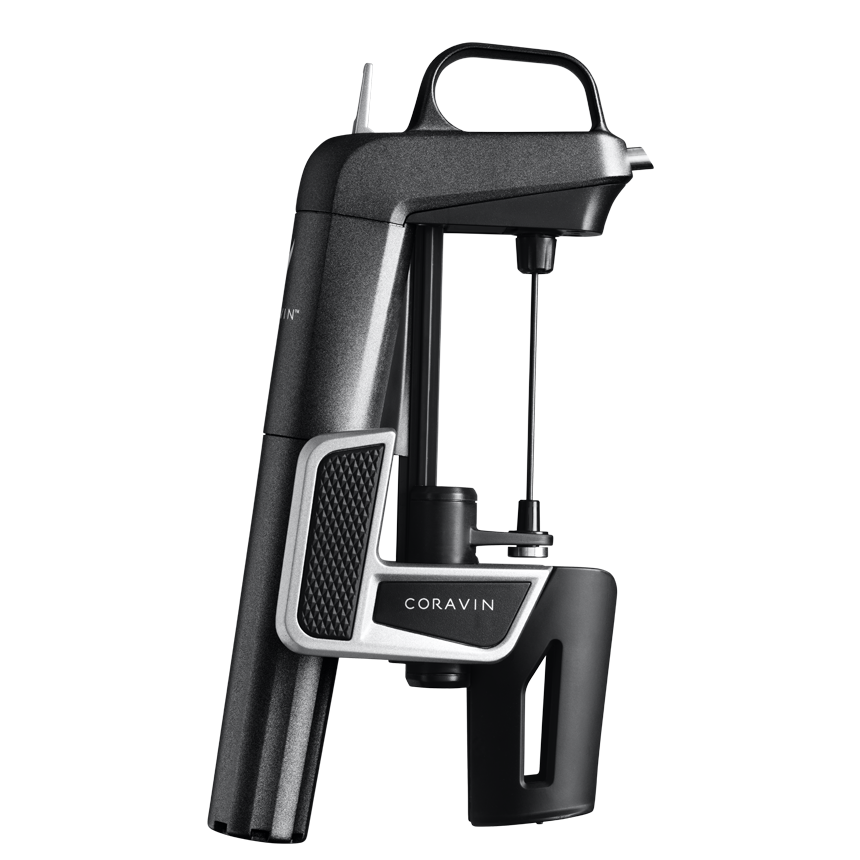
Coravin Model 2
The Model Eleven features ease and comfort to those who have to currently manually maneuver the Coravin 1 and 2 models. This is Coravin’s first ever ‘automatic’ system where it detects input, preparation, and movement. This is, in my opinion, the biggest stride for the company as it will expedite service and convenience for both the consumer and sommelier alike. Additionally, you get six argon capsules, cleaning equipment, a USB charging cable, an aerator, a carrying case, and access to Coravin’s new app which will help log in wines and provide wine and food pairing suggestions.

Coravin Model 1
Let’s put aside most of the package’s features for a second and focus on the two big ones here. With the feature of it being automatic and having a personalized app, it is pretty clear that the Coravin Model Eleven isn’t just meant to serve as a preservation system, it’s also a game changer. Again, right now with a price tag of $1,000 it’s hard to see the definitive future, but as time goes by we will see competitors claim their stake in the wine preservation system industry. Pretty soon, consumers will have more and more of a reason to ‘collect wine’ as they won’t feel the pressure of having to either go through an entire bottle in a night, or arduously operate something that feels less than optimally efficient. We are entering into the digital age of wine which is giving Millenials and generations before more and more of a reason to splurge on that bottle of wine over $20, because… why not?
Neiman Marcus – Coravin Model Eleven
WIRED Magazine Review: Coravin Model Eleven
Welcome to The Vinnabist
Welcome! The Vinnabist offers insights into new (and old) wines currently on the market. The idea isn’t just to mention ‘wines of the month’ or classic Cabernet/Chardonnay pairings, but to go beyond the norm. For example, we may spotlight a type of French red wine that originates from the same plot of land as a black truffle farm and what will pair best with it. We may also help suggest alternatives to Cabernet Sauvignon such as Aglianico from Italy, or Carmenere from Chile.
Beyond wine and food, we recommend proper glassware, decanters, utensils/tools, and more!
Again, welcome to The Vinnabist and enjoy!
Photo by Bruno Cantuária on Pexels.com
The Journey Begins
Thanks for joining me!
Good company in a journey makes the way seem shorter. — Izaak Walton

 The Chosen Vine